
Community Relations: Key Points
- Strategic community relations fuels brand trust, crisis resilience, and long-term competitive advantage.
- Agencies that package community relations as a growth service unlock premium client opportunities and differentiation.
- Authentic, measurable engagement with communities strengthens both customer loyalty and employee retention — critical drivers of sustainable ROI.
Community relations sit at the intersection of corporate social responsibility (CSR), stakeholder outreach, and local partnerships, offering a pathway to sustainable growth, crisis readiness, and differentiated brand positioning. When done right, it builds a network of local advocates, strengthens crisis resilience, and delivers community-rooted relevance that paid media alone can’t achieve.
We’ll break down a proven framework for community engagement, real-world brand examples, and actionable strategies your agency or brand can adopt today.
Why Community Relations Belongs at the Executive Strategy Table
In an era of eroding institutional trust, how can agencies help brands earn authentic loyalty, and turn that loyalty into a measurable business advantage?
Trust is a critical currency for organizations. Forrester’s Consumer Trust Imperative survey found that a customer’s level of trust in a company drives revenue-generating behaviors, including likelihood to repurchase, preference over competitors, willingness to try new products, and even readiness to share personal data.
A well-executed community relations strategy yields tangible benefits that resonate at the executive level:
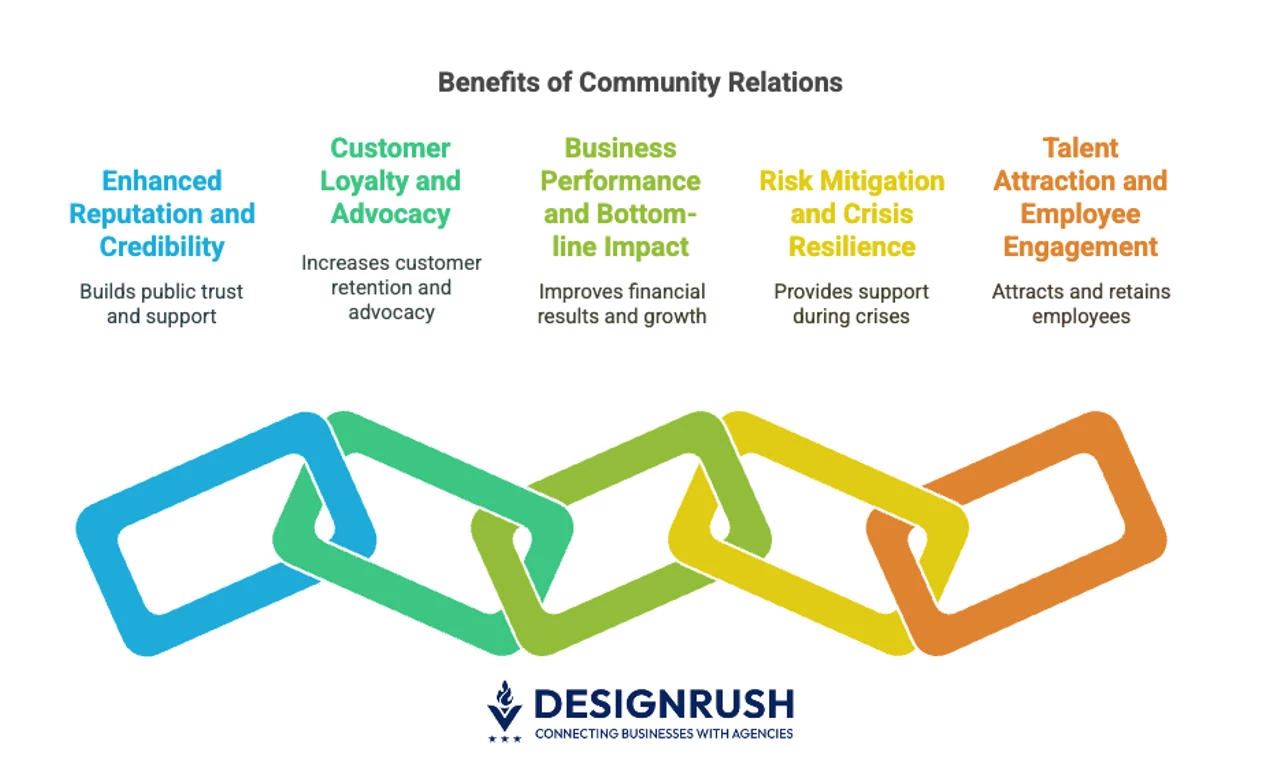
- Improved corporate reputation and credibility: Consistent community involvement demonstrates that a company genuinely cares about more than profit. This builds credibility with the public, so stakeholders give them the benefit of the doubt during crises, regulators are more supportive, and local opposition to projects is reduced.
- Customer loyalty and advocacy: Trust cultivated through community relations directly feeds customer loyalty. When people see a company actively supporting their community, they are more likely to become repeat customers and even advocates.
- Business performance and bottom-line impact: The trust premium translates into financial results: customers reward trusted companies with a greater share of their wallet, and communities are more welcoming of business expansion or new offerings.
- Risk mitigation and crisis resilience: Organizations that have built up trust are more likely to receive public support or patience if something goes wrong. Trust, once established, gives a company greater resilience: it can rebound faster because stakeholders are inclined to give it a second chance.
- Talent attraction and employee engagement: Employees typically take pride in working for a company that is respected in the community and aligned with positive causes. Many companies involve their employees in volunteer programs or local initiatives, which not only benefits the community but also increases employee engagement and retention.
Strategic Community Relations Framework: The 5 Pillars Model
In a 2023 survey, 91% of business leaders agreed that their ability to earn and maintain trust improves the bottom line. Nearly all respondents (92% of executives, 92% of consumers, and 94% of employees) believe companies have a responsibility to build trust with their stakeholders.
The cost of failing to do so is high: lack of trust erodes brand equity, harms financial performance, and even impedes talent retention. In short, organizations must work harder than ever to earn and keep trust among their customers, employees, and communities. Yet many companies continue to underinvest in this important function, leaving untapped opportunities to transform local engagement into scalable market advantage.
Dr. Kendra Wallace of Wharton underscores this: “Brands can’t outsource authenticity. They must be partners, not benefactors, in community ecosystems.” The 5 Pillars Model offers a strategic, actionable approach to building meaningful relationships:
- Stakeholder mapping & listening
- Local involvement & participation
- Culturally relevant outreach
- Transparency & responsiveness
- Long-term commitment
1. Stakeholder Mapping & Listening
Strong community relations begin with clarity, like knowing who your key stakeholders are and how to engage them meaningfully. Stakeholder audits will help you identify:
- Local influencers and grassroots organizers who shape public sentiment
- Neighborhood associations and advocacy groups with deep community ties
- Civic leaders and policymakers who drive regulations and resource allocation
- Historically underserved populations whose voices are often overlooked
Communicate the "why" behind your actions. Share intentions clearly and invite dialogue to build transparency and trust. Listen actively and respond authentically. Use clear, accessible language. Avoid corporate jargon and tailor messaging to reflect local culture and values.
Over time, this steady, respectful communication cultivates credibility and positions the organization as a trusted, present force, not a faceless outsider.
2. Local Involvement & Participation
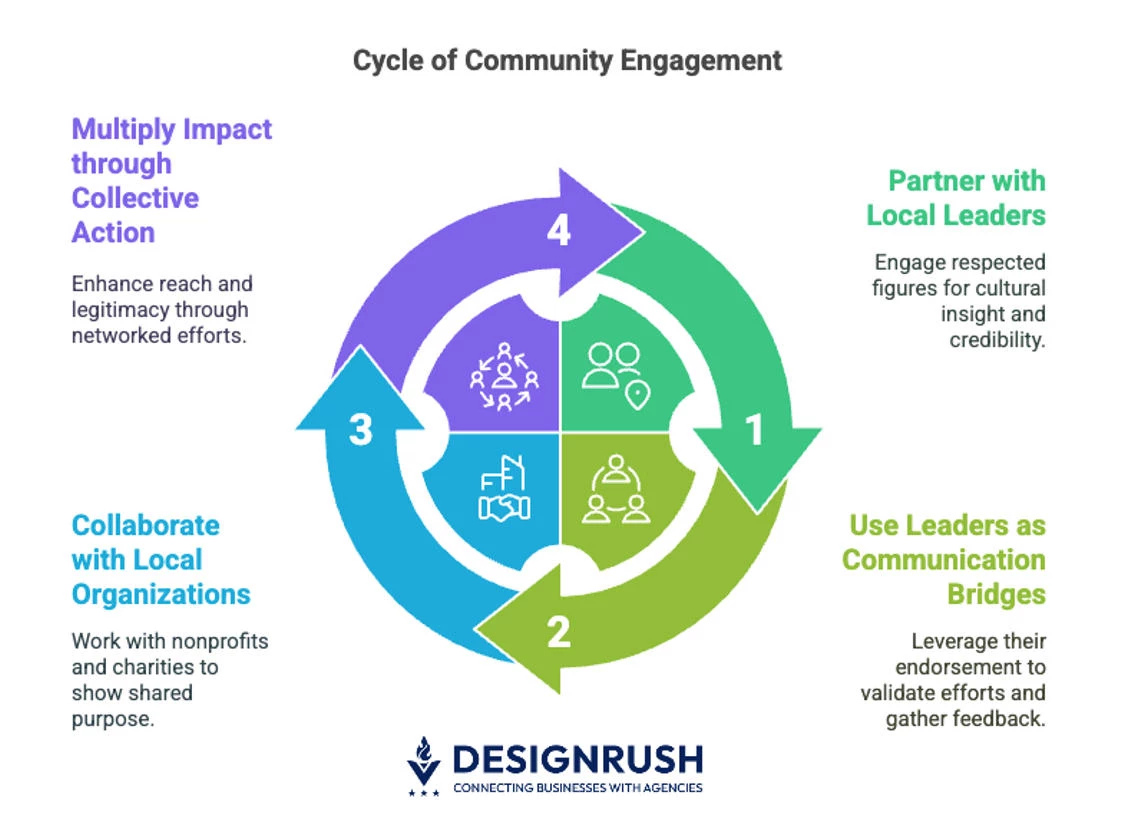
To build meaningful, long-term relationships in your community, it's important to move beyond transactional outreach and engage trusted local voices as true partners.
- Build trust through local leadership. Partner with respected figures like educators, faith leaders, and grassroots influencers to gain cultural insight and credibility within the community.
- Use community leaders as communication bridges. Their endorsement helps translate your intentions empathetically, validate your efforts, and provide honest feedback on public sentiment.
- Collaborate with established local organizations. Joint initiatives with nonprofits, NGOs, or charities signal humility and shared purpose—showing you're not just acting for the community but alongside it.
- Multiply impact through collective action. A networked approach amplifies your reach, enhances legitimacy, and fosters long-term community trust.
3. Culturally Relevant Outreach
Trust is built on cultural alignment, not just visibility. To avoid missteps and ensure meaningful impact, follow these tips:
- Tailor communications to community-specific values. Understand local histories, norms, and priorities to ensure your message resonates.
- Translate materials into local languages. Accessibility shows respect and enhances clarity across diverse audiences.
- Ditch generic campaigns. One-size-fits-all messaging often backfires. Embed cultural fluency at every stage of planning and execution.
4. Transparency & Responsiveness
To earn and sustain community trust, lead with accountability and clear communication. Here’s how to put it into practice:
- Set clear goals and report outcomes. Track and share both successes and setbacks through public channels like CSR or sustainability reports.
- Acknowledge concerns openly. Address criticism and community feedback directly to show you’re listening and acting.
- Share transparent progress updates. Regularly communicate milestones, pivots, and changes to maintain credibility.
- Close the loop with measurable action. Show how feedback has informed decisions and led to tangible improvements.
- Hold high ethical standards. Always honor commitments, respond to issues promptly, and treat community members with fairness and respect.
5. Long-Term Commitment
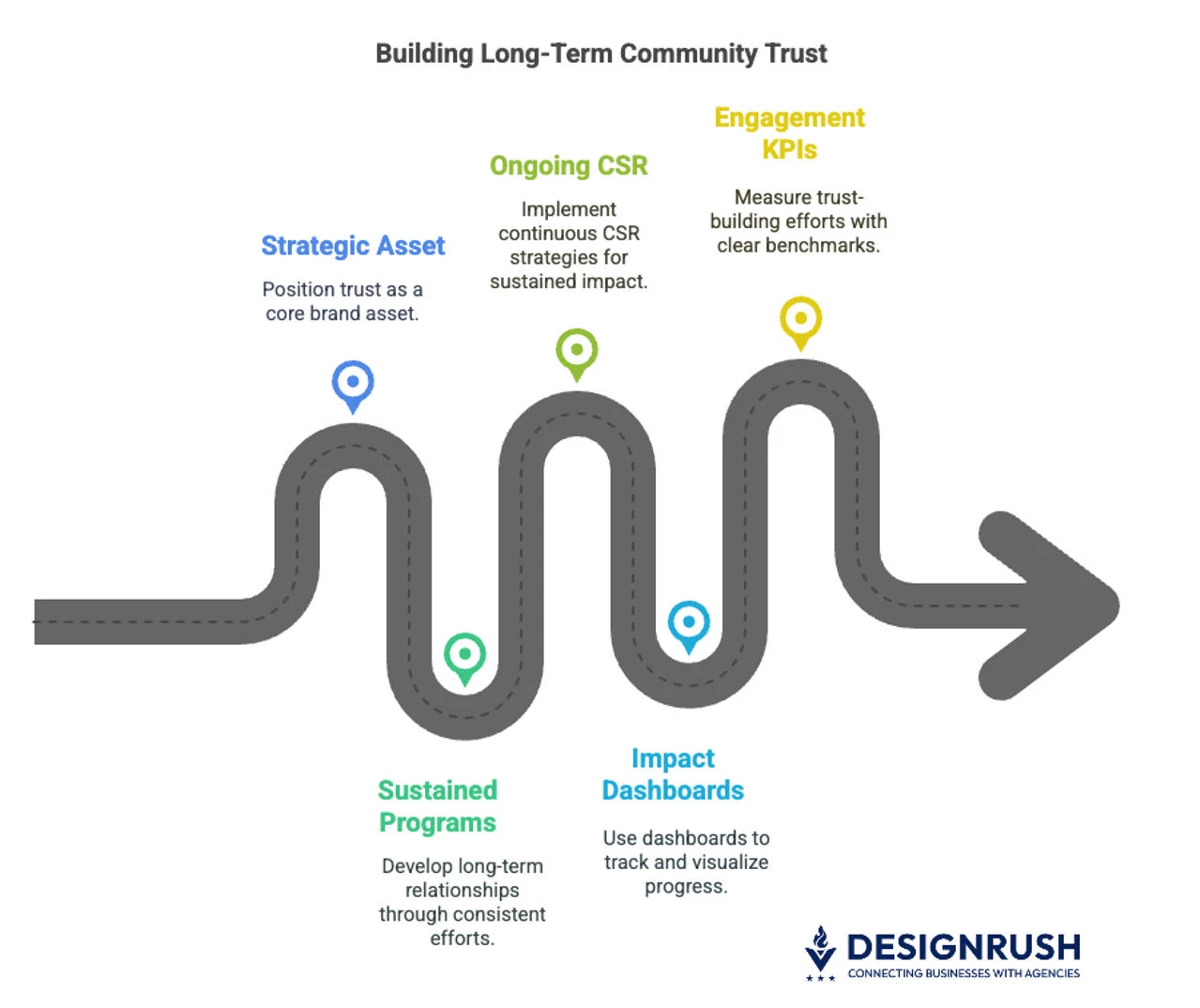 Trust isn’t built overnight; it’s earned through consistent, long-term investment. A long-term approach signals genuine care and separates brands that show up from those that stick around.
- Treat community trust as a long-term investment. Position it as a core part of brand equity, not just a short-term public relations strategy.
- Avoid one-off campaigns. Build long-term relationships through sustained programs, not sporadic outreach.
- Offer ongoing CSR strategy retainers. Provide continuous planning, execution, and refinement, not just seasonal campaigns.
- Develop community impact dashboards. Track and visualize progress to keep stakeholders informed and accountable.
- Monitor engagement KPIs. Measure trust-building efforts with clear benchmarks tied to stakeholder satisfaction and involvement.
5 Examples of Successful Community Relations
Organizations are moving beyond traditional corporate social responsibility (CSR) by embracing innovative, cross-sectoral partnerships that create deeper, more sustainable community impact. These initiatives integrate business objectives with local needs, driving mutual value.
Here are standout examples:
- Ben & Jerry’s Justice ReMix’d Campaign: Amplifying Grassroots Racial Justice Campaigns
- Microsoft’s TechSpark Initiative: Closing the Digital Divide in Underserved Communities
- Gen.G’s Esports for Education: Driving STEM Access Through Gaming Innovation
- Kaiser Permanente’s Thrive Local: Connecting Healthcare to Social Support Networks
- Unilever’s Pineapple Diversification Program: Boosting Women Farmers’ Incomes Through Crop Diversification
1. Ben & Jerry’s Justice ReMix’d Campaign: Amplifying Grassroots Racial Justice Campaigns

Ben & Jerry’s exemplifies a brand authentically engaging in community-driven activism. In 2019, the company launched the “Justice ReMix’d” ice cream flavor in collaboration with the Advancement Project National Office, a multiracial civil rights organization. This partnership aimed to spotlight structural racism within the U.S. criminal justice system.
Beyond the product, Ben & Jerry’s utilized its platforms to amplify grassroots campaigns, co-creating messaging with local organizations to ensure cultural authenticity and resonance. Their approach underscores a commitment to being active partners in social justice movements, rather than distant benefactors.
2. Microsoft’s TechSpark Initiative: Closing the Digital Divide in Underserved Communities
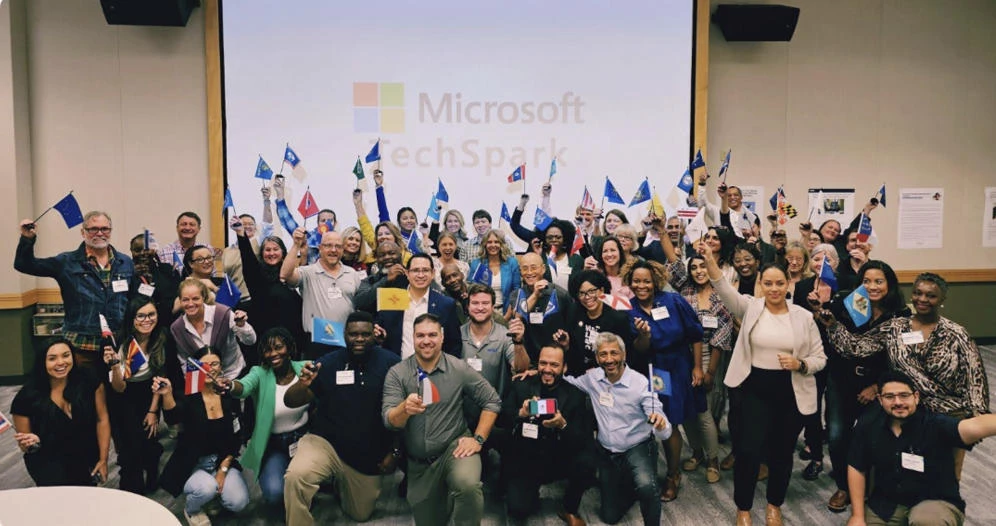
Microsoft’s TechSpark program exemplifies a comprehensive approach to fostering digital inclusion and economic development in underserved communities. Launched in 2017, TechSpark collaborates with local organizations to provide digital skills training, enhance broadband access, and support entrepreneurship.
For instance, in Southern Virginia, the SOVA Innovation Hub offers digital education and workforce training to stimulate economic growth. In El Paso, Texas, and Ciudad Juárez, Mexico, the Bridge Accelerator program has been instrumental in integrating local businesses into the regional supply chain, creating jobs, and promoting cross-border economic collaboration.
Since its inception, TechSpark has secured over $125 million in community funding, skilled 55,000 individuals, and created 3,300 jobs across various communities.
3. Gen.G’s Esports for Education: Driving STEM Access Through Gaming Innovation
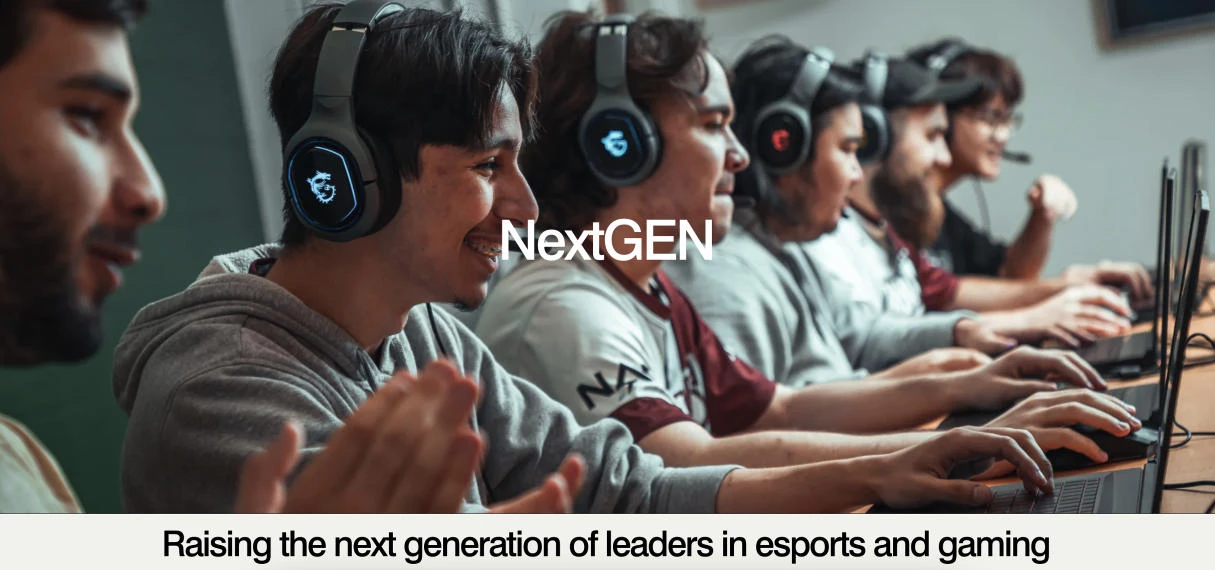
Gen.G, a global esports organization, is pioneering the integration of gaming and education to promote STEM learning among underrepresented students. Through partnerships with educational institutions, such as Syracuse University, Gen.G has developed programs that combine esports with academic curricula, offering students hands-on learning experiences in game design, coding, and digital media.
Additionally, the Gen.G Foundation provides scholarships to support students from diverse backgrounds pursuing careers in gaming and technology.
4. Kaiser Permanente’s Thrive Local: Connecting Healthcare to Social Support Networks
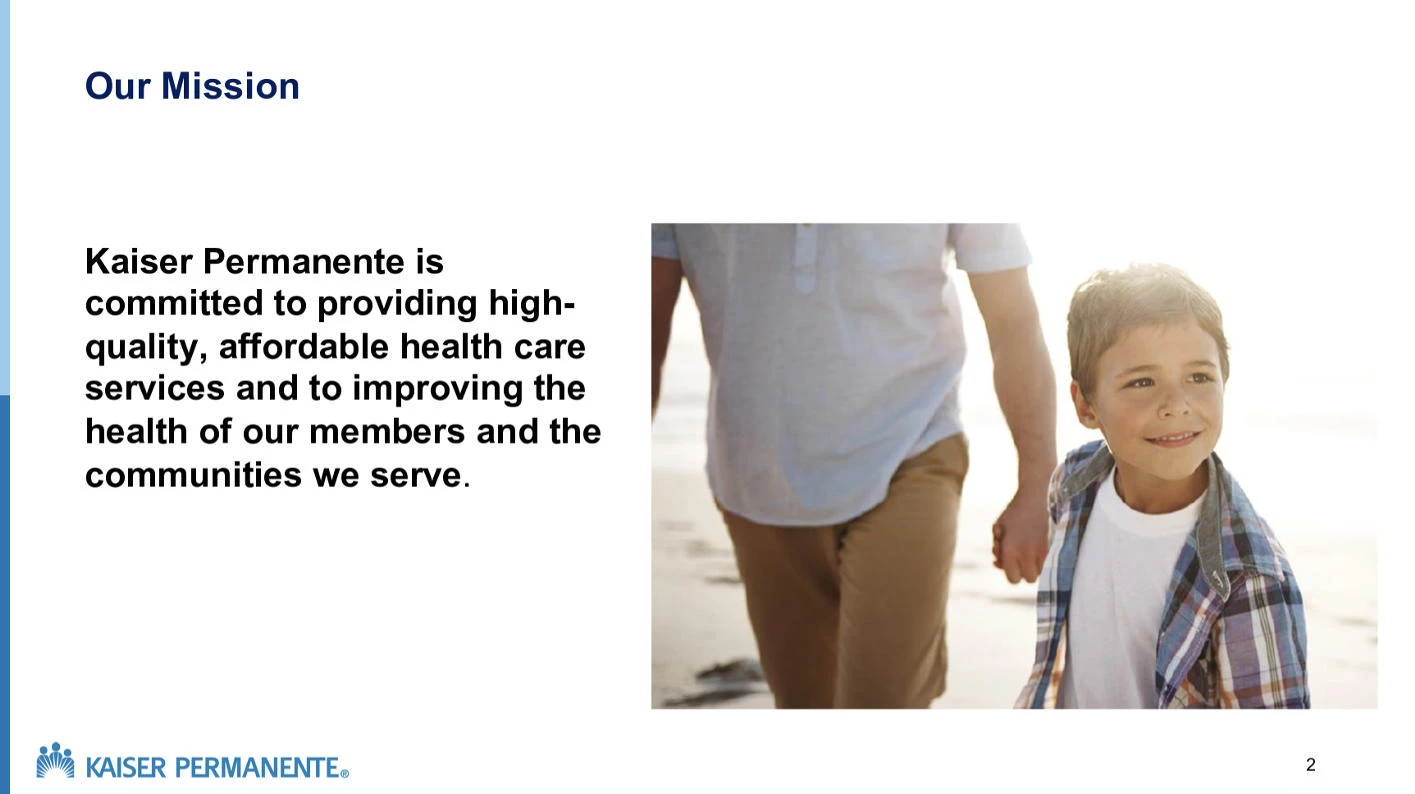
Kaiser Permanente’s Thrive Local initiative addresses the social determinants of health by connecting healthcare services with community resources.
In partnership with Unite Us, Thrive Local enables healthcare providers to refer patients to services such as housing support, food assistance, and utility aid, integrating these referrals into the electronic health record system for seamless coordination.
The program aims to improve health outcomes by addressing the root causes of health disparities and is being implemented across all regions served by Kaiser Permanente.
5. Unilever’s Pineapple Diversification Program: Boosting Women Farmers’ Incomes Through Crop Diversification

Unilever's initiative in Indonesia empowers women smallholder farmers to diversify their income by cultivating pineapples alongside traditional oil palm crops. Through comprehensive training, these farmers learn to process pineapples into value-added products like snacks and juices, enhancing their earnings and economic resilience.
This program not only boosts livelihoods but also promotes sustainable land management practices, contributing to environmental conservation efforts. By integrating community development with sustainability, Unilever demonstrates a scalable model for corporate social responsibility.
Community Relations: Wrapping Up
Executives who treat community trust as a long-term asset, not a line item, unlock a competitive edge that transcends marketing. Brands embedded in their communities earn loyalty that can’t be bought, build reputational insulation in times of crisis, and gain the social capital to lead with integrity and impact.
Hiring a top PR agency for community relations brings strategic expertise, cultural insight, and trusted media connections that internal teams often lack. These agencies help craft authentic narratives, manage local stakeholder dynamics, and ensure consistent, credible engagement that strengthens brand trust over time.

Our team ranks agencies worldwide to help you find a qualified partner. Visit our Agency Directory for the top public relations agencies, as well as:
- Top Public Relations Firms in Philadelphia
- Top Digital Agencies
- Top Branding Companies
- Top Media Buying Agencies
- Top Digital Marketing Agencies
Community Relations FAQs
1. How does community engagement benefit brands during a crisis?
Brands with strong community ties recover faster, experience less reputational fallout, and benefit from local advocacy that mitigates negative narratives.
2. What industries can benefit from community relations strategies?
While historically common in retail and CPG, community relations drives ROI in healthcare, technology, finance, education, esports, and government sectors.