
Are you finding it harder to stand out, rank, or even get noticed no matter how much time and effort you allocate to content?
This curated list of expert-tested tools is no generic roundup. Each platform here has been vetted to see if it has what it takes to actually improve content performance.
AI Content Marketing: Key Findings
- 93% of companiesalready use generative AI to accelerate content creation (Averi, 2025).
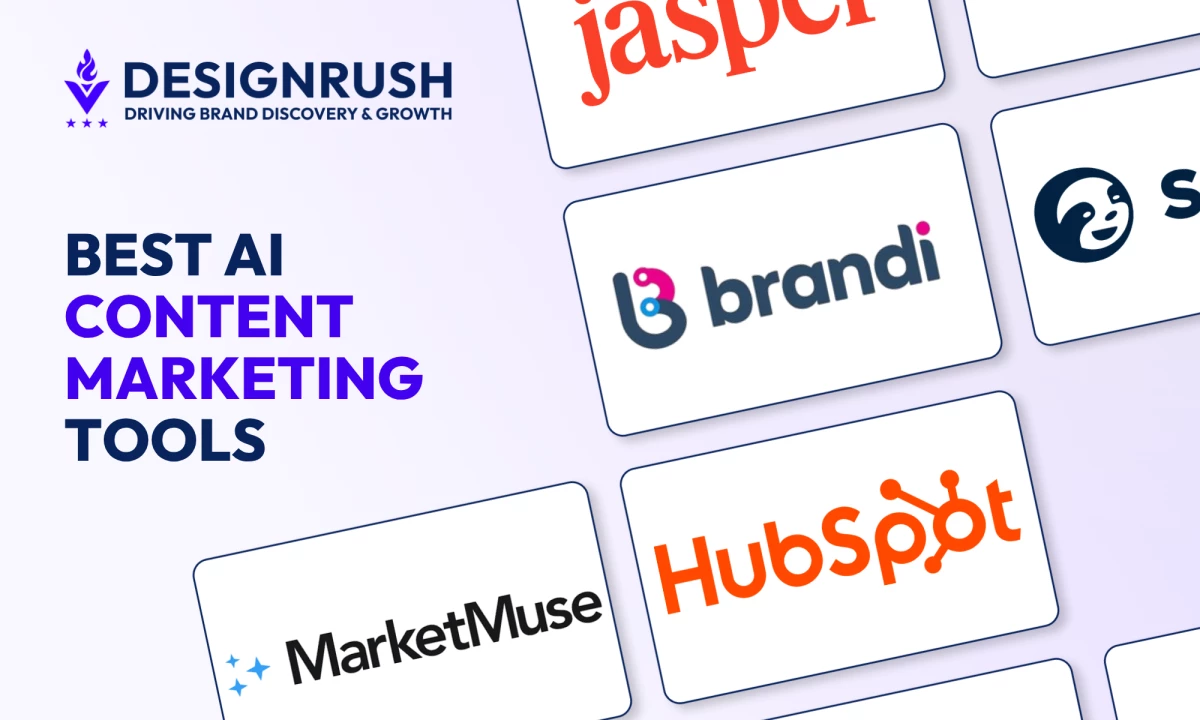
- Brandi AI focuses on monitoring AI visibility and competitive share of voice, and HubSpot pairs visibility data with AEO recommendations and tools for acting on them.
- StoryChief, Jasper, and MarketMuse support different parts of the content workflow: distribution, content creation, and strategic planning.
Best AI Content Marketing Tools Reviewed
With the right AI partner, your content becomes more engaging, relevant, and impactful, without losing that essential human touch.
With 93% of marketers now using AI to speed up content creation, and 52% using it to create text, images and videos, these tools have quickly become a core part of modern marketing workflows.
| Tool | Best For | Free Access | Pricing |
| Brandi | AI visibility and generative engine optimization (GEO) | Demo available | Starting at $349.99/month |
| HubSpot | AEO recommendations | 28-day free trial | $50/month or $45/month annually |
| StoryChief | Multi-channel content distribution | Free plan | $34/month per seat |
| Jasper AI | Versatile content creation | 7-day free trial | $69/month or $59/month annually |
| MarketMuse | Content strategy and planning | Limited free plan | Pricing available by request |
No wonder the market for AI-driven marketing tools is booming, with Grand View Research projecting a value of $82 billion by 2030, growing at 25% CAGR.
I tested the top AI tools for content creation you should consider. These are designed to amplify your creativity and turn ideas into polished content.
1. Brandi: Best for AI Visibility & Generative Engine Optimization (GEO)
Supporting CMOs and SEO leaders who need to track and improve AI visibility.
[Source: Brandi]
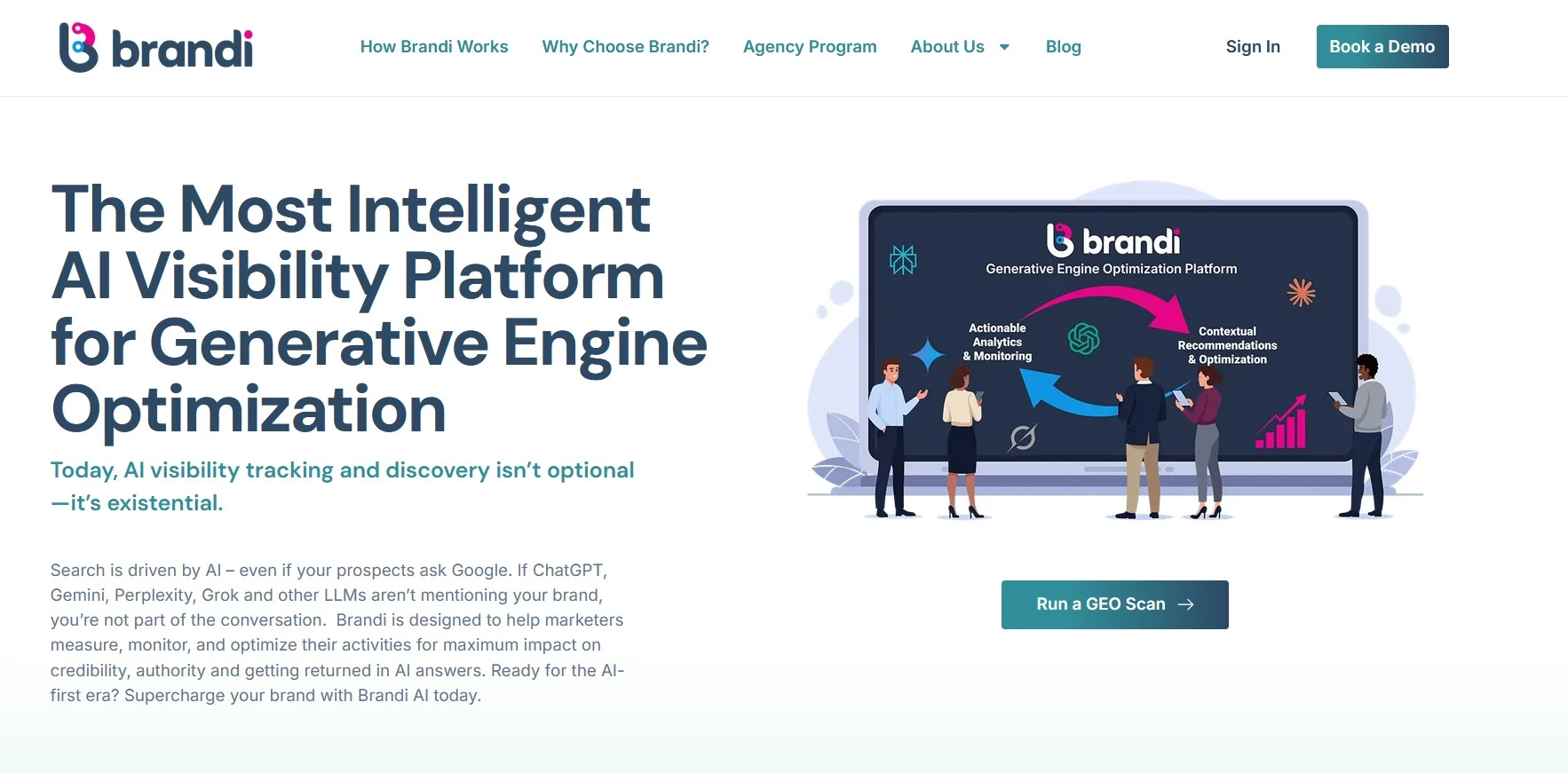
Brandi solves a speicific modern content marketing challenge by helping you understand how your content shows up inside AI-generated answers.
Instead of content creation, Brandi zeroes in on the new front line: visibility in tools like ChatGPT, Gemini, Perplexity, and Google AI Overviews.
It tracks your “AI share of voice” to show how often your brand is mentioned, cited, and positioned across real buyer-intent prompts.
Pros:
- Clear AI visibility insights
- Competitive benchmarking
- Actionable optimization guidance
- Works with existing content
Cons:
- No content generation
- Enterprise-focused
- Learning curve for new users
What stood out to me right away was the depth of insight. Brandi doesn’t just tell you whether you’re visible; it shows which questions drive visibility, how competitors are being cited, and where your brand is missing from the conversation.
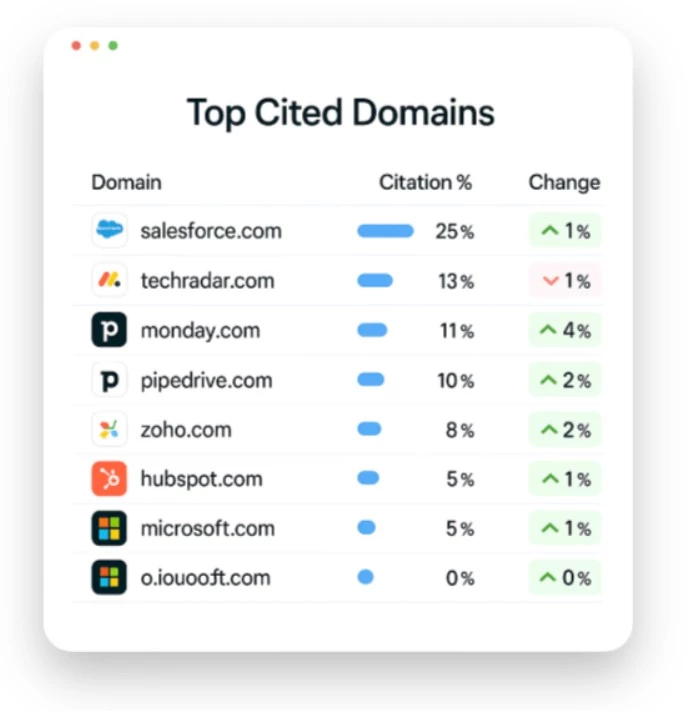
From there, it provides guidance on how to refine existing content and messaging so it’s easier for AI systems to interpret, trust, and cite.
Rather than adding more content, it’s about helping your current content appear in the places buyers now turn to.
I also liked how it connects visibility directly to strategy. You’re aligning messaging, PR, and content with how AI engines interpret your brand in real time, a big shift from traditional SEO workflows.
Pricing
- Starting at $349.99/month
What Users Say
Brandi is still pretty new so reviews are scarce, but early user feedback highlights its ability to surface insights traditional SEO tools miss, especially around AI-driven discovery and visibility.
They note that it helps them rethink content strategy by shifting focus from keywords to how content is structured for AI to interpret and cite.
Who It’s For
Brandi is best suited for CMOs, SEO leaders, and content strategists who need to understand how AI answer engines are influencing buyer research.
It’s great for enterprise teams, global brands, and agencies managing visibility across multiple markets, where understanding AI-driven discovery at scale is essential.
Other Notable Features
- Prompt-level visibility tracking
- AI source and citation attribution
- Cross-platform coverage (ChatGPT, Gemini, Perplexity)
- AI-driven content gap analysis
- Brand mention and sentiment insights
- Real-time visibility monitoring
- Competitive AI share-of-voice tracking



2. HubSpot: Best for AEO Recommendations
For marketing teams that need clear steps for improving their AEO strategy.
HubSpot AEO tracks how a brand appears in ChatGPT, Gemini, and Perplexity, then identifies practical steps that could improve its visibility.
The dashboard includes a Brand Visibility Score, prompt-level tracking, citation analysis, competitor share of voice, and prioritized recommendations.
This makes it easier to see where a brand is being mentioned, which sources influence those answers, and where competitors are gaining ground.
Pros:
- Actionable AEO recommendations
- Tracks ChatGPT, Gemini, and Perplexity
- Native connection with HubSpot Smart CRM
- Available with or without a Marketing Hub subscription
Cons:
- Still in beta, with certain features still being rolled out
- The full end-to-end workflow is most useful for teams already using HubSpot’s wider marketing tools
The recommendations were the most useful part of the platform for me. HubSpot doesn’t simply flag a visibility gap and leave the team to work out what to do next.
It may suggest creating a blog post, updating an existing page, restructuring content for better AI readability, or reaching out to a relevant third-party website.
Each recommendation is linked to a specific prompt, citation issue, or competitive gap, giving content teams a clear starting point.
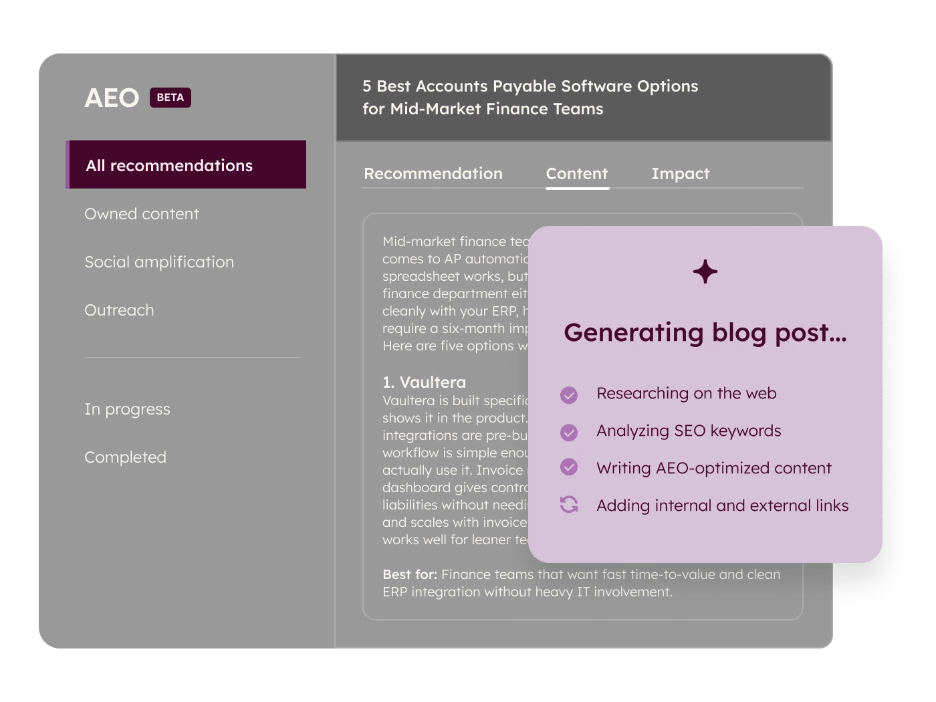
One of HubSpot’s main differentiators is that it provides both the visibility layer and the tools needed to act on what it finds.
You can create or optimize blog posts, publish social content, and launch email campaigns inside the same system. This makes the workflow super practical.
HubSpot AEO is available in two ways. It is included with Marketing Hub Professional and Marketing Hub Enterprise, where prompt tracking and recommendations can be informed by business data in HubSpot Smart CRM from day one.
The newly launched HubSpot AEO can also be purchased as a dedicated solution without a Marketing Hub subscription. Businesses choosing this option can activate HubSpot Smart CRM or HubSpot Free Tools separately.
Pricing:
- $50/month or $45/month annually
- 28-day free trial with no credit card required
- Additional prompts available to purchase
What Users Say
Fresha previously tracked its AI visibility by manually entering prompts into ChatGPT and saving screenshots. The process gave its team no reliable way to compare results over time or identify which sources answer engines were using.
After adopting HubSpot AEO, Fresha introduced a weekly workflow built around prompt performance, citation gaps, and competitor visibility.
The company reached a 68.3% AI Visibility Score and ranked first across all eight AI platforms it tracked. For example, its visibility for the prompt “online salon booking software” reached 85.1%.
Fresha also used citation analysis to guide new website content and identify third-party publications worth prioritizing for partnerships and coverage.
Who It’s For
HubSpot AEO is a great fit for content, SEO, and growth teams that want recommendations without having to build a separate workflow around every finding.
Marketing Hub Professional and Enterprise customers get AEO included with their subscription, along with the benefit of Smart CRM data informing prompt tracking and recommendations. The dedicated purchase gives businesses access to HubSpot AEO without requiring a Marketing Hub subscription.
Other Notable Features
- Prompt groups by product line or customer segment
- Citation analysis by format, channel, and domain
- Recommendations ranked by potential visibility impact
- Recommendation context with suggested titles, audiences, and keywords
- Filters by answer engine, date range, and prompt group
3. StoryChief: Best for Multi-channel Content Distribution
To equip content teams who need to manage and distribute multi-channel content.
Before StoryChief, I had to manually publish blogs, social posts, and newsletters separately, which was both tedious and draining. But with StoryChief integrated into my workflow, everything became significantly easier.
I could create one piece of content and effortlessly distribute it across multiple channels, including LinkedIn, X, and email newsletters, which saved hours each week.
Pros:
- Simplified multi-channel content distribution
- Unified analytics dashboard
- Built-in SEO tools
Cons:
- Occasional integration issues
- Pricing might be high for small teams
Another benefit I liked is the built-in analytics. I can track content performance by logging into multiple accounts, which often leads to inconsistencies.
With StoryChief, I can view all content performance data from a single intuitive dashboard and see what resonates most with my audience. This helps me optimize strategy without juggling different analytics tools.
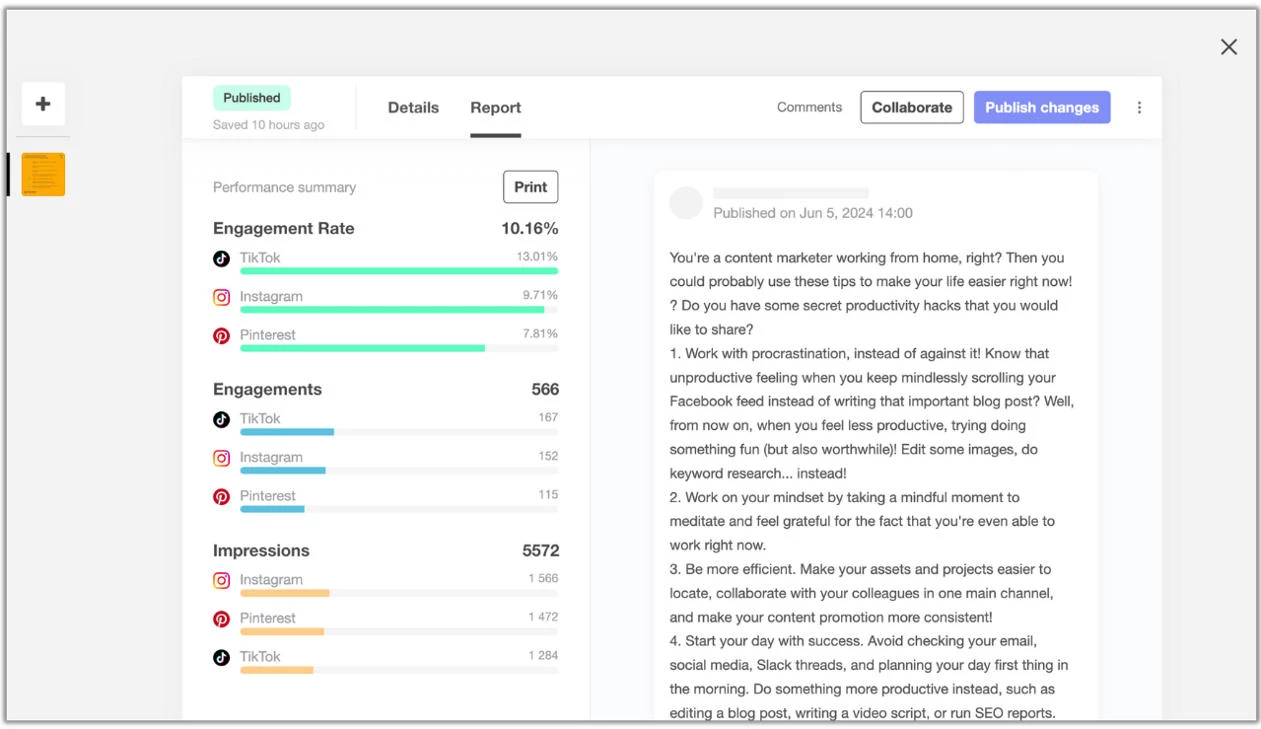
I also appreciated StoryChief’s collaborative features. Working alongside copywriters, designers, and editors can be tricky, but the platform simplifies everything significantly. You can collaborate directly within the tool, planning content, leaving comments, making edits, and streamlining the approval process.
Pricing
- Free plan
- Team Social: $34/month per seat
- Team Editorial: $81/month per seat
- Agency Social: $58/month per customer
- Agency Editorial: $93/month per customer
- Enterprise: Custom pricing
- 7-day free trial with no credit card required
What Users Say
StoryChief is one of the best content marketing AI tools available today, but it’s not perfect.
While many users said the platform dramatically improved their efficiency, some mentioned limitations around the customization of analytics reports and hiccups when it came to integration with other tools.
Who’s It For?
From my experience, StoryChief is perfect for content managers and marketing teams juggling multiple content platforms and needing one place to manage it all.
It’s especially great for agencies running campaigns where blog posts, emails, and social content need to go live at the same time.
If you manage content for multiple channels or clients, this keeps everything in sync and saves serious time.
Other Notable Features
- Multi-channel content publishing
- Collaborative content editor
- Streamlined content approval workflows
- Social media scheduling and editorial calendar
- Integration with popular CMS platforms
- AI-driven keyword recommendations
4. Jasper AI: Best for Versatile Content Creation
Enabling marketers who need fast, high-quality content across formats.
Out of the dozens of AI tools for content marketing, Jasper stands out because of its incredible adaptability and the quality of the output.
It helped turn my vague concepts into compelling, coherent drafts, which I then polished and tailored to perfectly reflect the brand voice and tone appropriate for my audience.
Pros:
- High-quality, persuasive content
- Consistent brand voice customization
- SEO tool integrations
Cons:
- Content can feel repetitive without detailed prompts
- Expensive
One thing I genuinely appreciated about Jasper was its impressive versatility. Whether I was crafting blog posts, snappy social captions, persuasive email campaigns, or even detailed product descriptions, it adapted effortlessly.
I tested the tool across multiple projects, each requiring distinct messaging, and Jasper delivered relevant, engaging, and targeted content every time.
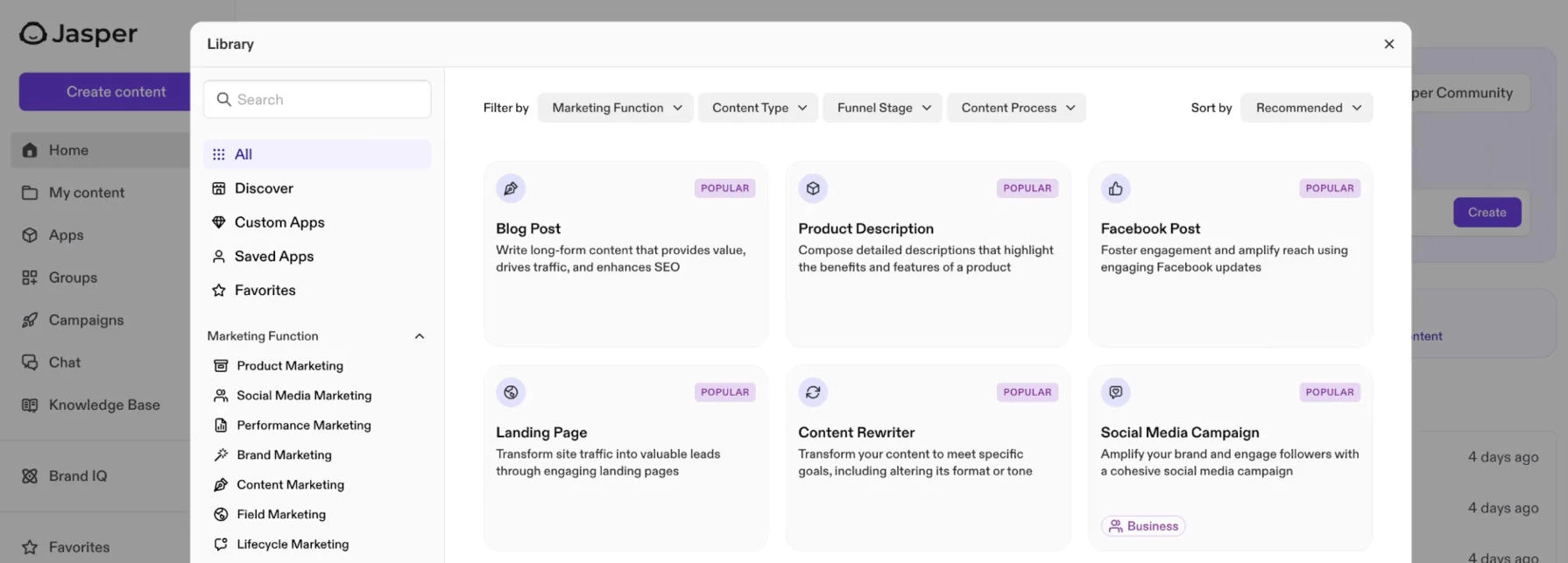
Another standout feature was Jasper’s brand voice customization. I simply uploaded existing content samples or pasted sections from my clients’ brand guidelines, and Jasper quickly learned their unique tone and style.
This made generating consistent content a breeze — I didn’t have to repeatedly explain new brand personalities or voices. The result was polished, cohesive content aligned precisely with established branding.
Pricing
- Pro: $69/month or $59/month annually
- Business: Custom pricing
Get started with Jasper AI's free trial for 7 days.
What Users Say
Many users agree that Jasper AI is an excellent tool for content creation, highlighting significant time savings and versatility. Some teams report saving an average of 12.5 hours per week using Jasper to produce 10 or more pieces of content a week.
However, its hefty price tag is a major downside, especially for independent creators and micro businesses. You also need clear, detailed prompts and manual editing to humanize content before publishing.
Who’s It For?
I used Jasper when I needed a tool that could handle everything from long-form blogs to punchy social captions. It really shines when it comes to managing multiple brands and needing to match different tones without rewriting every draft.
If you work across varied content formats or industries, Jasper is like having a multi-skilled copywriter on call.
Other Notable Features
- Over 50 customizable content templates
- Brand voice customization and tone controls
- Multilingual content generation
- Real-time content brainstorming
- Advanced grammar and readability improvements
- Analytics for content performance insights
5. MarketMuse: Best for Content Strategy and Planning
Enabling SEO teams who need data-driven content strategy and planning.
MarketMuse is an excellent content marketing tool to shape winning strategies in 2026. Its unique strength is deep, data-driven insights for building genuine authority. Instead of guessing which topics and keywords to target, I relied on MarketMuse’s AI to identify content gaps and untapped ranking opportunities.
Pros:
- Strategic, long-term content planning
- Powerful topic modeling and keyword recommendations
- Strong competitive analysis capabilities
Cons:
- Requires significant time investment to master
- Higher cost compared to simpler SEO tools
One of my favorite experiences with MarketMuse is using its AI-powered topic modeling. It helped me instantly identify which subtopics and keywords would add value and depth to articles, increasing their chances of ranking highly.
Content scoring was also particularly helpful, clearly showing how my drafts compared to competitor pages and suggesting ways to improve before publishing.
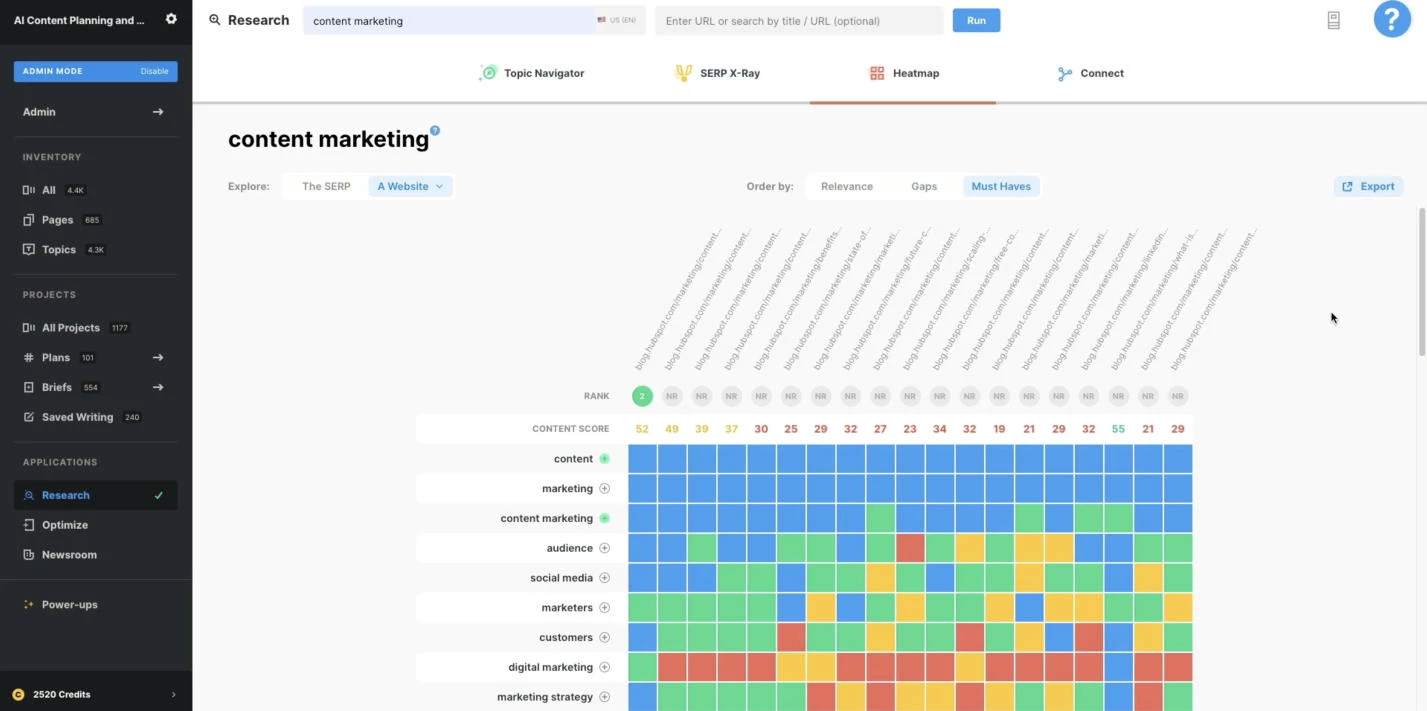
MarketMuse’s competitive analysis feature was another big win. By scanning competitor websites, it highlighted exactly where my content strategy fell short and identified valuable topics I hadn’t written about.
This gave me a clear advantage, so I could prioritize targeted, authoritative content that performed exceptionally well in search engine rankings.
Pricing
- Free
- Pricing for 3 paid tiers is only available by request
What Users Say
Overall, other users reviewed MarketMuse positively for its unparalleled insights into long-term planning, topic selection, and authoritative content.
However, many pointed out that its steep learning curve and higher pricing make it best suited for teams who can fully leverage its extensive features.
Who's It For?
MarketMuse was a game-changer when I needed to plan high-authority content that actually ranked. I used it heavily for content audits and building out topic clusters, especially when targeting competitive keywords.
If your team is focused on long-term organic growth and strategic SEO, this tool gives you the roadmap you need.
Other Notable Features
- AI-powered topic modeling and suggestions
- Competitive content gap analysis
- Personalized content improvement recommendations
- Keyword scoring and optimization tracking
- Authority-building content plans
- Comprehensive content inventory analysis
Other Content Marketing Tools With Growing AI Capabilities
Here’s a look at other content marketing tools that are quietly (or not so quietly) adding powerful AI features to help you write faster, work smarter, and stay ahead of the curve.
1. WordHero: AI Writing That Gets You Started
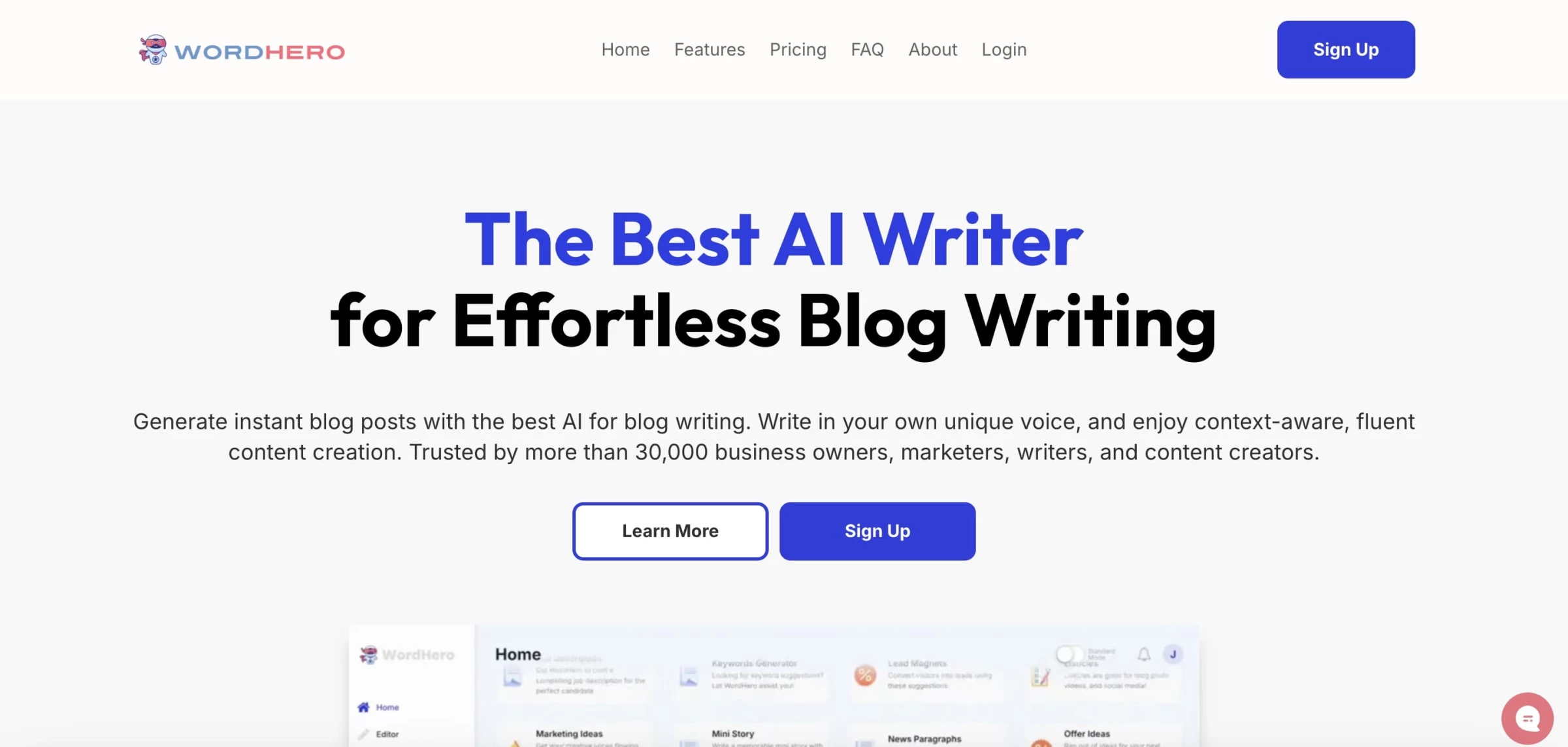
Alright, I sat down, logged into WordHero, and gave it a proper whirl. First impressions? Clean dashboard. Nothing fancy, just straight to business — which I kind of appreciated.
| Pros | Cons |
|
|
I tested the Generator Mode first. This is their quick-fire content machine, perfect for short-form stuff.
Honestly, not bad for zero input beyond a product name. You can regenerate until you get something that sticks, and some results were surprisingly on point, others a bit robotic.
But still, for drafts, it's quick and useful.
Then I tried the long-form editor. It doesn't write a whole blog in one go — you build it like stacking Lego bricks.
But honestly, I preferred this to the one-click blog tools in some other apps that give you a whole generic wall of text.
Here, I had control. And the “rocket” button next to each section let me rewrite or regenerate on the fly.
Although, while it gives you a solid draft, you’ll definitely want to fact-check and rewrite for clarity and nuance.
After using WordHero, I’d say it’s best suited for product descriptions, ad copy, emails, social media posts, and quick content ideas. It’s great if you’re looking for fast, templated outputs and don’t mind doing a bit of polishing afterward.
Pricing
- Creator: $49/month (billed monthly) or $29/month (billed yearly)
- Infinity: $99/month (billed monthly) or $79/month (billed yearly)
2. Brandkit: Smart Brand Management with Built-In AI
Brandkit is essentially your brand’s central command center. It’s a digital asset management (DAM) and brand governance platform where you store, organize, and distribute everything from logos and images to campaign guidelines and brand decks.
But where it really levels up is with the AI Brand-Bot.
| Pros | Cons |
|
|
Once I had my brand content uploaded and tagged in Brandkit, enabling the AI Brand-Bot felt like giving my brand a brain.
It reads everything: your uploaded guides, metadata, copy docs, and becomes this intelligent, always-available assistant you can embed on your site or internal portal.
It scans your brand guide PDFs or color asset metadata inside Brandkit and answers with the correct hex values and usage notes.
Similarly, asking it to fetch the latest approved hero image or pull a tagline from last quarter’s campaign yields instant, brand-safe responses.
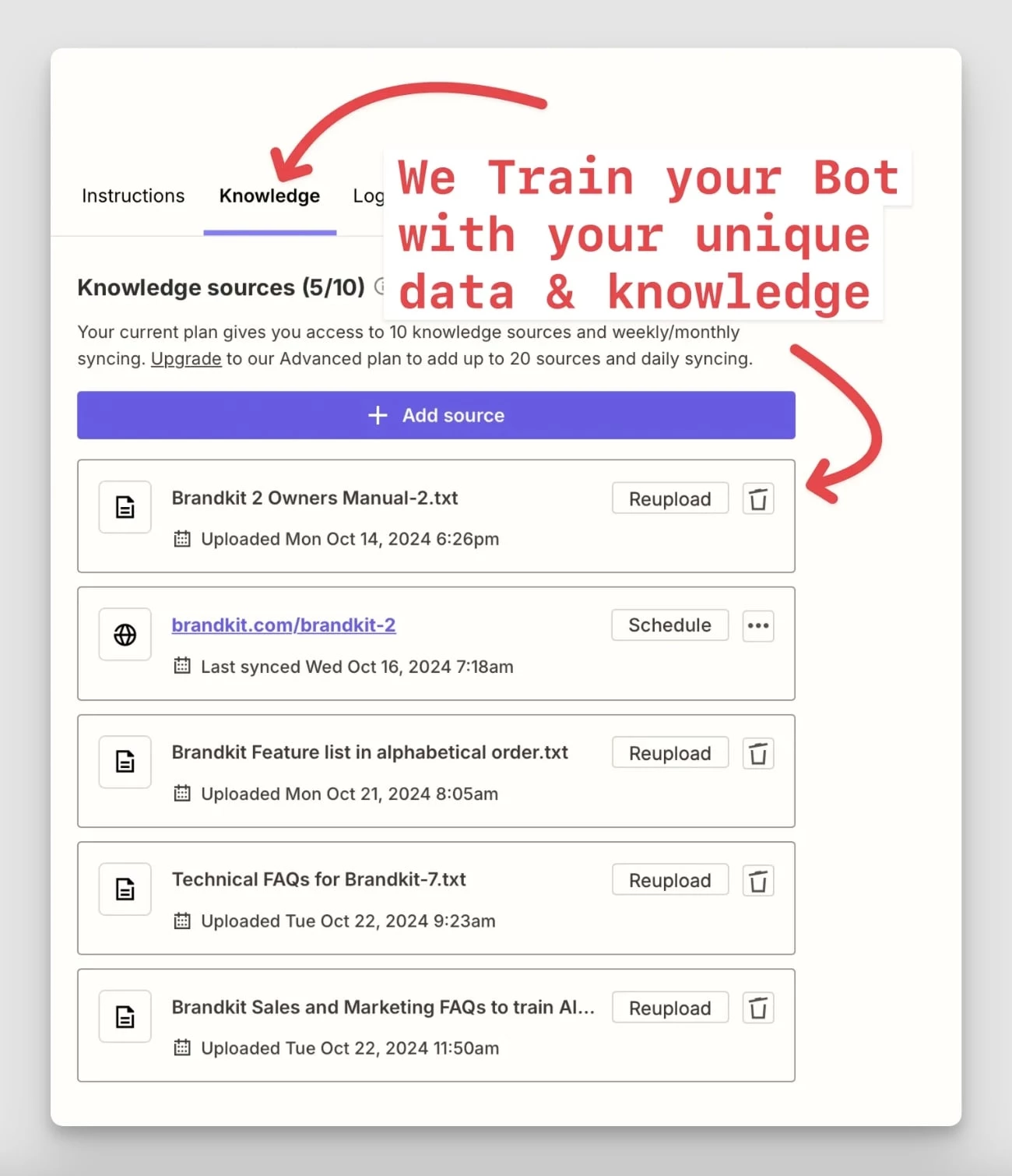
Brandkit’s AI Brand‑Bot serves branded content via smart search and personalized portals, plus it keeps everything fresh thanks to CMS integration. That's a solid differentiator as most AI brand kits don’t auto‑learn from content updates.
Brandkit and its AI Brand‑Bot is a useful tool for marketing teams seeking quick, reliable answers from their own brand assets.
If you're already using Brandkit’s DAM/CMS, it’s a valuable add-on, just be sure your content is well-organized, and clarify pricing before adopting it solely for the AI features.
Pricing
- Request a quote
How To Choose the Right AI Content Marketing Tool for Your Needs
The best fit depends on team size, budget, and the part of the content workflow that needs the most support.
- For solo creators and small teams, simplicity and speed usually matter most.
Jasper can support faster drafting across blogs, emails, ads, and social content, while HubSpot AEO may suit teams that need clearer guidance on how their brand appears in AI-generated answers without committing to a broader Marketing Hub subscription.
- For enterprise teams focused on AI visibility, competitive positioning, and long-term strategy, Brandi and HubSpot can help.
Brandi centers on visibility tracking and competitive intelligence, and HubSpot adds recommendations and connects those findings with content, social, email, and CRM workflows.
For work tied closely to sales and go-to-market activity, HubSpot has a clear advantage because it connects AEO data with CRM, email, social, and content tools.
That makes it easier to connect visibility work with campaign execution and lead nurturing.
- For enterprise teams focused on AI visibility, competitive positioning, and long-term strategy, Brandi and HubSpot can help.
Brandi centers on visibility tracking and competitive intelligence, and HubSpot adds recommendations and connects those findings with content, social, email, and CRM workflows.
- Teams with strict brand-governance or approval requirements may place more weight on collaboration, consistency, and review controls.
StoryChief is relevant when the main challenge is managing edits and approvals, while Jasper can help keep tone and messaging consistent across different content formats.
- For work tied closely to sales and go-to-market activity.
HubSpot has a clear advantage because it connects AEO data with CRM, email, social, and content tools. That makes it easier to connect visibility work with campaign execution and lead nurturing.
- For conversion-focused content such as landing pages, ads, CTAs, and email campaigns, Jasper is the closest fit.
Teams that already produce drafts elsewhere but need an editing and consistency layer may also find its brand voice and rewriting features useful.
MarketMuse is better aligned if your main challenge comes before drafting begins. Its topic modeling, content scoring, and competitive analysis support SEO planning, content prioritization, and authority-building over time.
Jill Makin, Senior Content Marketing Strategist at Möve Marketing, emphasizes the importance of marketing AI tools that streamline workflows without sacrificing quality.
According to her, “It is our policy that AI supports our work instead of replacing it, so we review any AI-generated text carefully.” This approach highlights the value of AI as a time-saver rather than a replacement for human creativity.
Makin also points out that “AI-generated outputs that are accurate and correct right away can save a lot of time during our review,” which aligns perfectly with my experience with StealthGPT.
Our team ranks agencies worldwide to help you find a qualified partner. Visit our Agency Directory for the top content marketing companies, as well as:
- Top Content Creation Companies
- Top Digital Marketing Agencies
- Top Marketing Strategy Agencies
- Top Social Media Marketing Agencies
- Top Content Marketing Agencies In Los Angeles
Our design experts also recognize the most innovative design projects across the globe. Given the recent uptick in video marketing, you'll want to visit our Awards section for the best & latest in social media videography designs.
AI Content Marketing Tools FAQs
1. Are AI-generated articles good for SEO?
Yes, when optimized correctly. Many tools include built-in SEO features that help with keyword targeting, structure, and readability. However, content still needs to be original, relevant, and valuable to perform well in search rankings.
2. How accurate is AI-generated content?
AI content is generally high-quality, but it can include errors or outdated facts. It’s important to fact-check and refine the output, especially for technical or sensitive topics.
3. How do I maintain brand voice with AI-generated content?
Tools like Jasper AI and StealthGPT allow you to create custom brand voice profiles using existing content. This ensures your AI output stays consistent with your brand tone and messaging.
4. How is AI changing content marketing strategy in 2026?
AI is shifting content marketing from manual creation to data-driven, automated workflows that prioritize personalization, speed, and performance insights.
5. What is Generative Engine Optimization (GEO) and how is it different from SEO?
GEO focuses on optimizing content for visibility in AI-generated responses, while SEO is centered on ranking in traditional search engine results.
6. Can AI content marketing tools replace human writers?
No, AI can enhance efficiency and scale, but human creativity, judgment, and brand voice remain essential for high-quality content.