


Branding is about recognition, trust, and customer loyalty. A strong brand differentiates businesses, making them memorable and credible in a crowded market. Companies struggle with low recall, inconsistent messaging, and lost sales without effective branding.
But how much does branding impact business success?
These branding statistics reveal what works — from logo design and color psychology to digital presence and customer trust. By leveraging these insights, businesses can strengthen their brand identity, increase engagement, and boost revenue. Let’s dive in.



1. It Only Takes People 10 Seconds To Form a First Impression of a Brand’s Logo
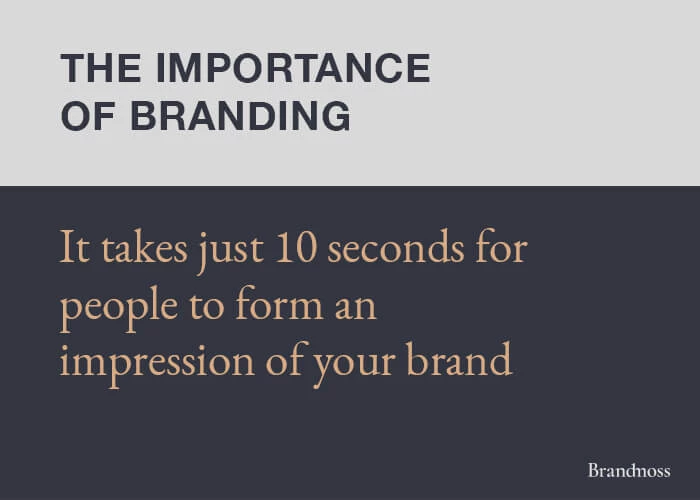
A brand’s logo is its handshake with the world — within just 10 seconds, consumers form their first impression, deciding whether it feels trustworthy, relevant, or forgettable. However, true brand recognition isn’t instant; it takes 5-7 impressions before a logo becomes familiar.
To make those impressions count, consistency is key. Businesses should use their logo strategically across all touchpoints — website, social media, packaging, and marketing materials — ensuring uniform colors, typography, and style. Additionally, a well-designed logo should be simple yet distinctive, making it easy to recall.
However, many startups overcomplicate this process. Jason Moyer, Creative Director at Create Element points out that one of the most common branding mistakes startups make is overcomplicating their identity. He explains that successful brands, like Mint, focus on simplicity and clarity.
"Mint’s branding, for example, is centered around simplicity and clarity. Their website and app design are clean and user-friendly, making financial management approachable for the average user," he says.
This proves that keeping branding elements clean, simple, and recognizable is a major driver of brand recall. Icons like Nike's checkmark, Apple's bitten apple, and McDonald's golden arches exemplify how a simple, memorable logo can become synonymous with a brand's identity.
How To Build a Lasting Impression
For business and agency leaders, investing in a distinctive logo is more than simple aesthetics; it's a strategic move to enhance brand recall and customer trust. A well-designed logo serves as the face of your company, making a lasting impression and setting you apart from your competitors.
To ensure your brand’s logo makes a lasting impression and builds recognition, follow these key action points:
- Consistency is key: Use your logo across all platforms, from your website and social media to business cards and packaging, ensuring a uniform look and feel.
- Stick to a cohesive brand identity: Maintain consistency in colors, fonts, and design elements to reinforce brand recognition.
- Leverage repetition: The more consumers see your logo, the more familiar it becomes. Incorporate it into ads, email signatures, and branded content.
- Prioritize simplicity: A clean, distinctive logo is easier to remember than a complex one. Keep the design minimal yet impactful.
- Optimize for all mediums: Ensure your logo is scalable and adaptable for digital and print use, including mobile screens, billboards, and merchandise.
- Create brand associations: Pair your logo with a strong brand voice, messaging, and visuals that resonate with your target audience.
- Encourage user engagement: Use branded giveaways, sponsorships, or collaborations to increase visibility and reinforce brand presence.
2. A Signature Color Increases Brand Recognition by 80%
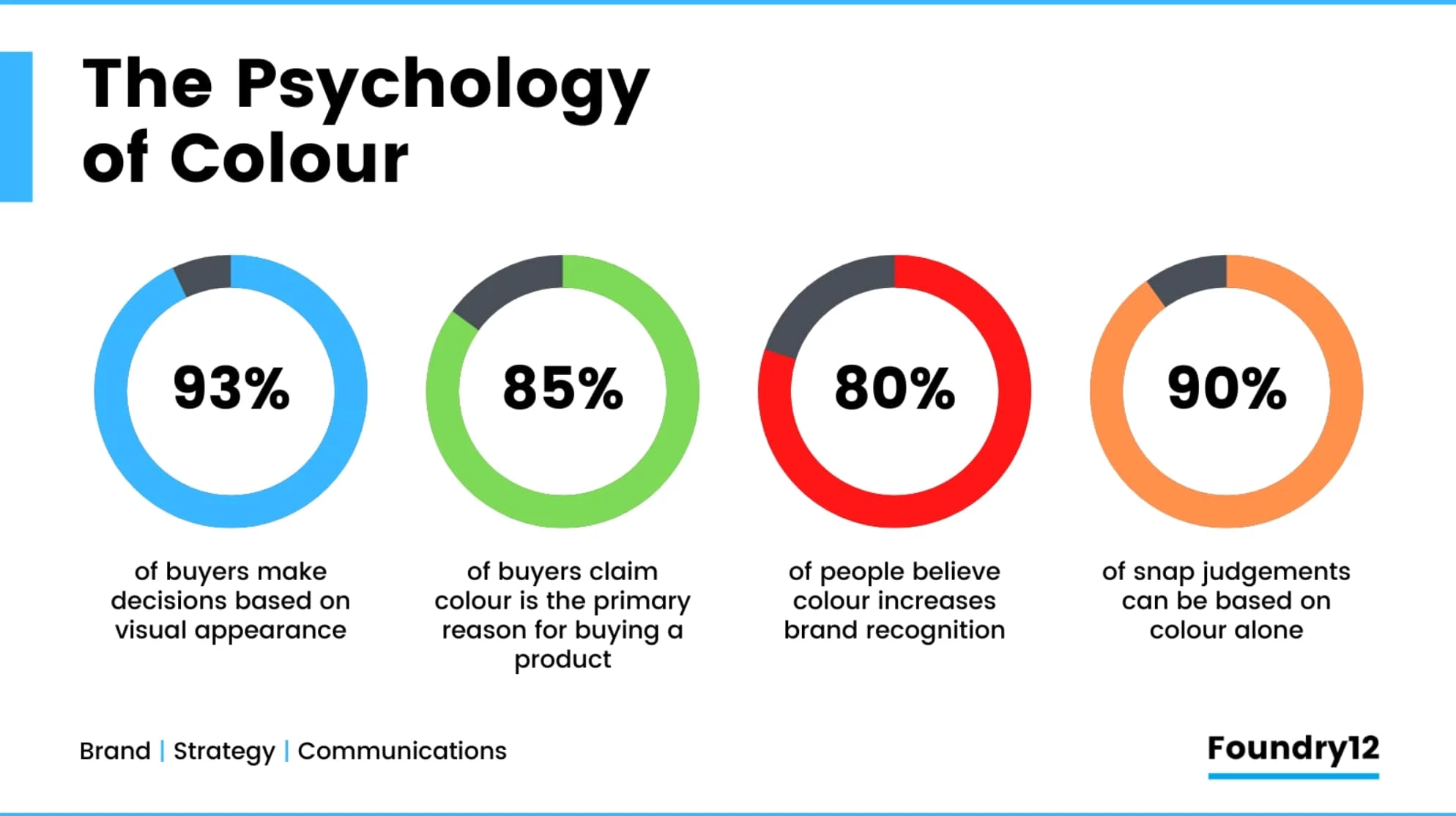
A signature color is one of the most effective strategies to enhance brand recognition. Color is more than just an aesthetic choice — it’s a powerful branding tool. Studies show that a signature color can increase brand recognition by 80%, making it a crucial element of a strong visual identity.
Think of Coca-Cola’s red, Tiffany’s blue, or Starbucks’ green — these colors instantly evoke their respective brands. To harness the power of color, businesses must choose a hue that aligns with their brand personality and resonates with their target audience.
But simply picking a color isn’t enough; it must be used consistently across all branding materials to create a lasting impression and reinforce recognition over time.
How To Achieve Strong Brand Recognition Through Color
To leverage the impact of color psychology on consumer behavior:
- Choose the right color: Select a color that reflects your brand’s personality and industry (e.g., blue for trust, red for energy, green for growth).
- Be consistent: Use your signature color across all brand touchpoints, from your website and social media to packaging and advertisements.
- Create contrast: Ensure your color stands out in your industry and against competitors to make it more memorable.
- Incorporate it into marketing strategies: Use your color in promotional materials, product packaging, and even office decor to reinforce brand identity.
- Apply it strategically: Make your signature color a dominant element in your logo, CTA buttons, and key design features to boost visibility.
- Test for effectiveness: Analyze audience perception and engagement to determine if your color choice resonates and adjust if necessary.
Integrating a signature color into your branding strategy can enhance brand recognition and forge a stronger connection with your audience.
3. 37% of Consumers Become Loyal to a Brand After Five Purchases
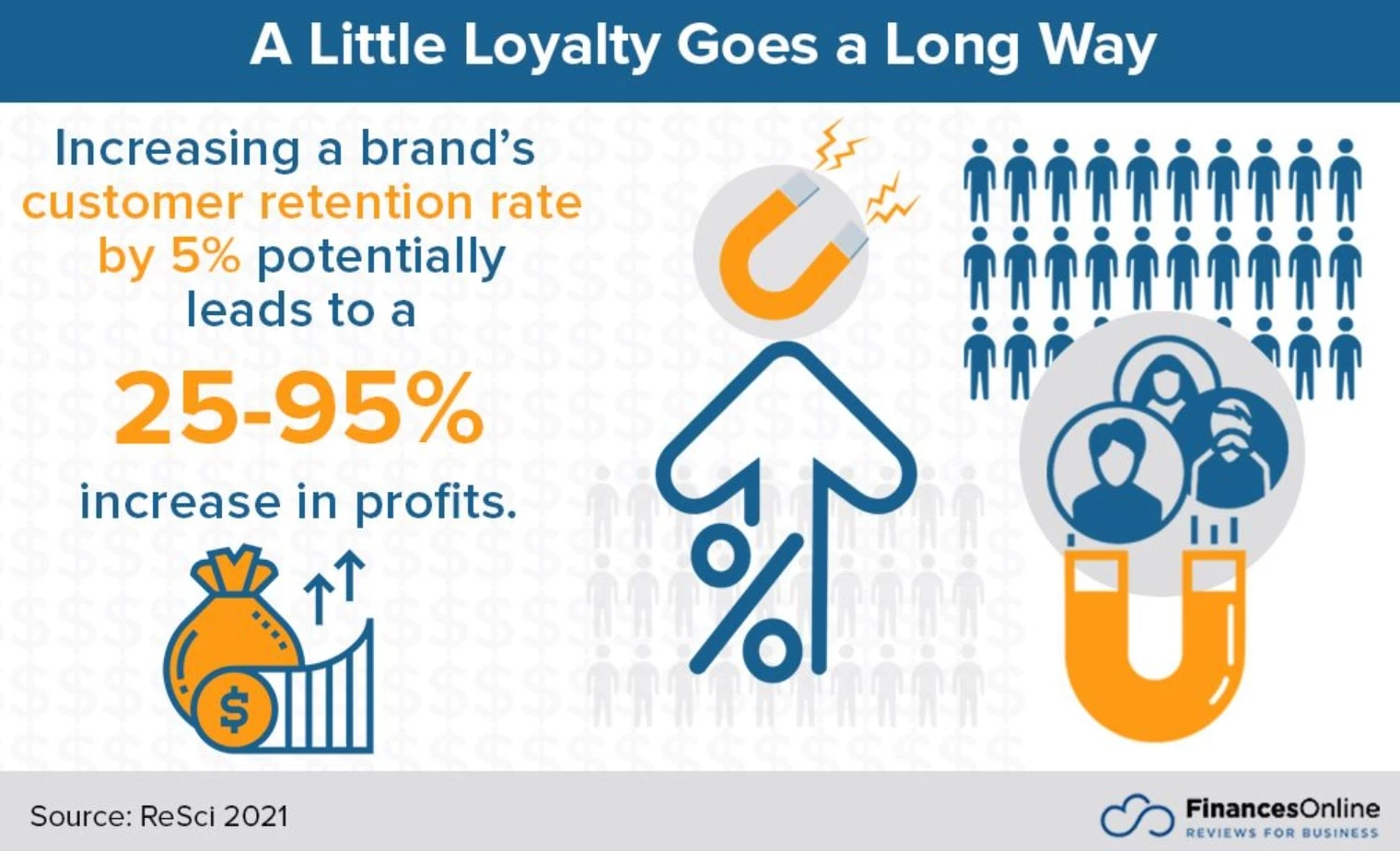
Loyal customers are the backbone of any successful brand, but loyalty isn’t instant — it takes time and repeated positive experiences. Research shows that 36.4% of consumers consider themselves to be loyal to a brand after five purchases, meaning businesses must focus on nurturing relationships beyond the first sale.
Key Strategies for Enhancing Customer Retention
- Personalized communication: Tailor your interactions to meet customer needs and preferences, fostering a deeper connection and increasing satisfaction.
- Loyalty programs: Implement programs that reward repeat customers, encouraging continued engagement and purchases.
- Exceptional customer service: Provide prompt and effective support to address customer issues, building trust and loyalty.
- Regular follow-ups: Stay in touch with customers through periodic follow-up emails or messages to keep them engaged and informed about new products, promotions, or updates.
By focusing on these strategies, businesses can enhance customer retention, increasing profitability and sustained growth.
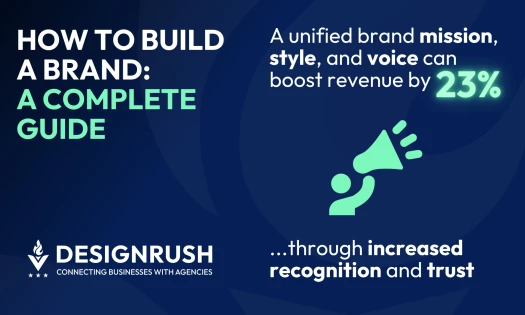
4. 68% of Companies Report That Brand Consistency Added 10 - 20% to Their Revenue Growth
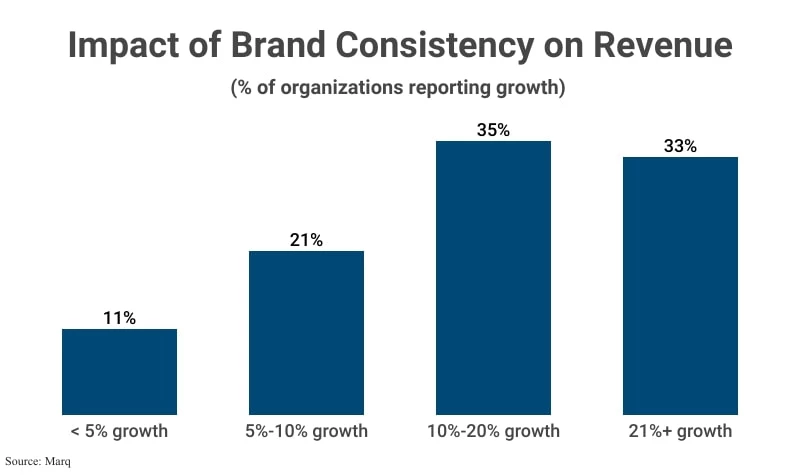
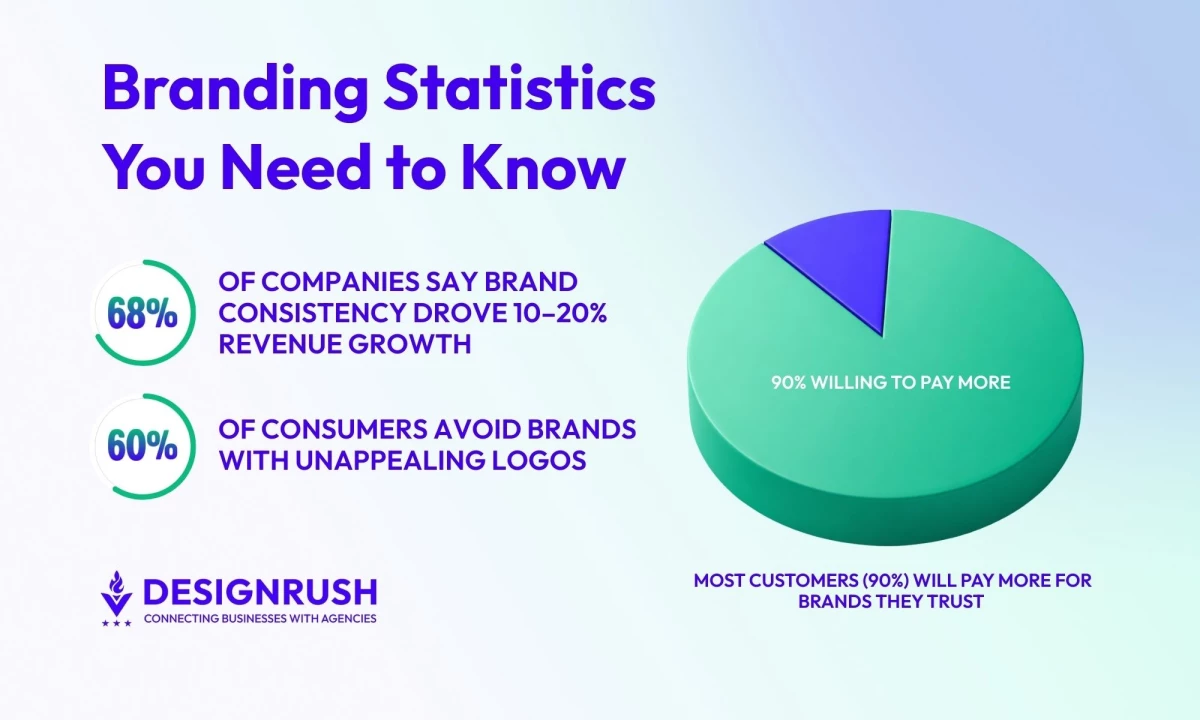
Maintaining brand consistency is as beneficial as it is essential. A compelling statistic underscores this: 68% of companies reported that consistent branding contributed 10-20% to revenue growth.
“The most common branding mistake is inconsistency across their branding elements, using different logos, colors, or messaging across various platforms and touchpoints. This lack of cohesion confuses customers, dilutes brand recognition, and undermines the startup's efforts to establish a strong, memorable identity in the marketplace,” says Joshua Schmitt, Senior Graphic Designer at 4CDesignWorks.
Inconsistent branding erodes trust, creates confusion, and leads to lost revenue opportunities. Companies that maintain a cohesive identity across platforms see stronger brand recall and greater customer loyalty.
How To Achieve Brand Consistency
Businesses can build trust, enhance recognition, and drive significant revenue growth by prioritizing brand consistency. It's a strategic investment that pays substantial dividends in today's marketplace.
Here’s how to do it right.
- Develop comprehensive brand guidelines: Ensure all team members and partners understand and adhere to your brand's visual and messaging standards.
- Ensure uniformity across platforms: Maintain consistency on your website, social media, marketing materials, and packaging.
- Train your team: Educate employees and partners on brand standards to ensure consistent communication and design.
- Use templates and automation: Streamline content creation with pre-approved templates for ads, emails, and social posts.
- Reinforce core messaging: Keep your brand’s voice, values, and mission aligned in all customer interactions.
- Monitor and refine: Regularly audit brand assets and messaging to ensure alignment and make adjustments as needed.
- Leverage technology: Use digital asset management (DAM) tools to store and distribute brand materials efficiently.
5. Over 60% of Fortune 500 Companies Use Combination Logos
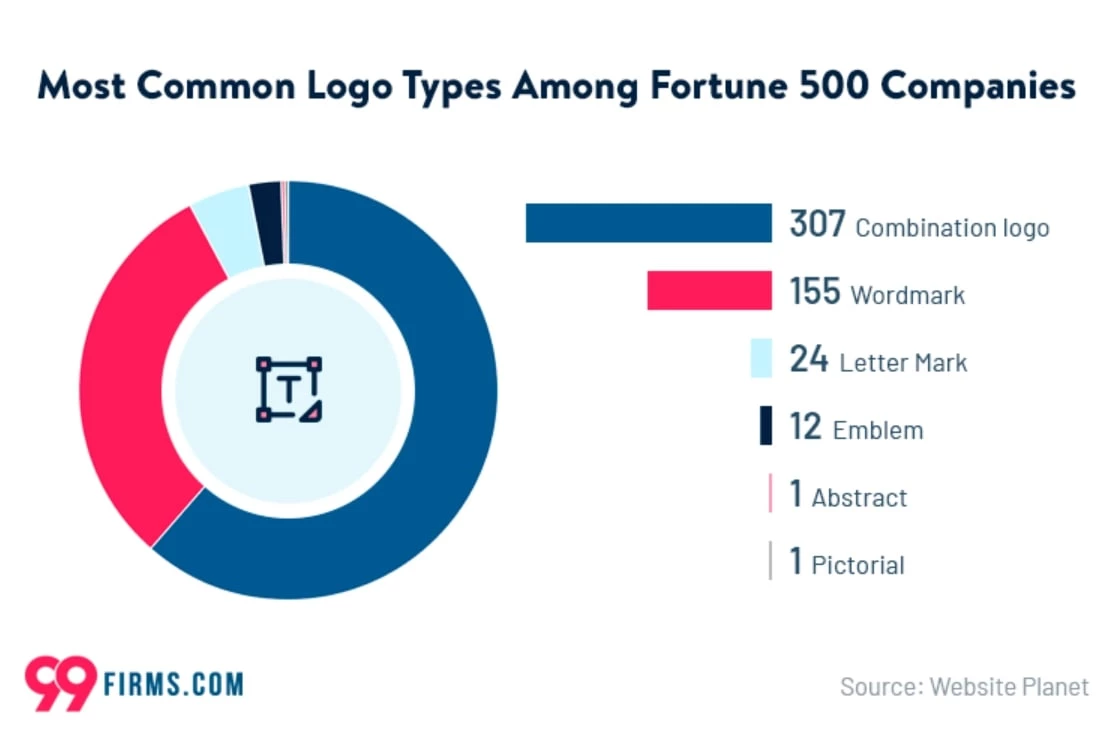
Establishing a memorable brand identity is crucial for business success. 60% of Fortune 500 companies use combination logos, which blend text and imagery to enhance brand recall.
This hybrid approach ensures a brand remains recognizable whether displayed as a full logo, an icon, or just a wordmark. Combination logos offer flexibility across digital and print media, making them ideal for modern branding. To harness their power, businesses must design logos that are memorable, scalable, and aligned with their brand identity.
How To Create an Effective Combination Logo
By thoughtfully designing a combination logo, businesses can create a strong, versatile brand identity that resonates with their target audience and stands the test of time.
Here’s how.
- Pair strong typography with a meaningful symbol: Choose a font and icon that reflect your brand’s personality and industry.
- Keep it simple and scalable: Ensure the logo looks great whether on a business card or a billboard.
- Maintain balance: The text and symbol should complement each other without one overpowering the other.
- Ensure adaptability: Design a logo that can be used as a full version, an icon-only mark, or a wordmark when needed.
- Use consistent colors and fonts: Stick to a defined brand palette and typography for recognition across all platforms.
- Test for versatility: Check how the logo appears on different backgrounds, screens, and print materials.
- Think long-term: Design a logo that will remain timeless and relevant as your business evolves.
6. 68% of US Adults Choose Brands That Reflect Their Personal Values
-content-large-webp.webp)
Consumers today don’t just buy products — they buy into brands that align with their beliefs. In fact, 68% of US adults choose brands that reflect their personal values, making brand identity about more than just aesthetics.
Whether it’s sustainability, inclusivity, or innovation, businesses that clearly communicate their values attract loyal customers who feel a deeper connection to the brand. To build this kind of meaningful relationship, companies must be authentic, transparent, and consistent in how they express their values across all touchpoints.
How To Align Your Brand with Consumer Values
To effectively integrate values into your brand:
- Define your core values: Identify the principles that drive your brand and ensure they resonate with your audience.
- Incorporate values into branding: Reflect your mission in your messaging, visuals, and overall brand identity.
- Be authentic and transparent: Consumers can spot insincerity; back up your values with real actions and commitments.
- Communicate through storytelling: Share real stories about how your brand lives out its values in marketing and social media.
- Support relevant causes: Partner with organizations or initiatives that align with your brand’s mission.
- Engage with your audience: Encourage conversations about shared values through social media and community engagement.
- Stay consistent: Ensure your values are reflected in every aspect of your business, from customer service to corporate policies.
7. 46% of Brand Favorability Increases When Music Is Used
Audio branding has become a pivotal strategy for businesses to enhance brand favorability and recognition. Research indicates that brand favorability increases by 46% when music is used. However, your value decreases by 7.7% if consumers fail to recognize its distinctive sound. This makes audio a crucial element in shaping customer perception.
The right music can evoke emotions, reinforce brand identity, and create a memorable experience that strengthens brand affinity. Whether it’s a catchy jingle, a signature sound, or curated playlists, businesses that integrate music effectively can enhance engagement and leave a lasting impression.
Maximize Your Potential with the Power of Music
By embracing audio branding, businesses can enhance brand recall, foster emotional connections, and drive consumer preference in a competitive marketplace. Here’s how to do it right.
- Align music with brand identity: Choose sounds that reflect your brand’s personality and values (e.g., upbeat for energetic brands, classical for luxury).
- Use music consistently: Incorporate signature sounds across commercials, social media, and in-store experiences for brand recognition.
- Create an emotional connection: Select music that evokes the feelings you want customers to associate with your brand.
- Leverage custom sound design: Develop a unique jingle, sonic logo, or background score to reinforce brand recall.
- Enhance user experience: Use music strategically in apps, websites, or physical locations to create an immersive atmosphere.
- Stay culturally and contextually relevant: Ensure the music resonates with your target audience and fits the brand’s message.
- Test and refine: Analyze audience response to different sound choices and adjust based on engagement and feedback.
8. Brands With Unappealing Logos Are Avoided by 60% of Consumers, Despite Good Reviews
A great reputation can only go so far if your brand’s logo fails to make the right impression. In fact, 60% of consumers avoid brands with unappealing logos, even if they have good reviews.
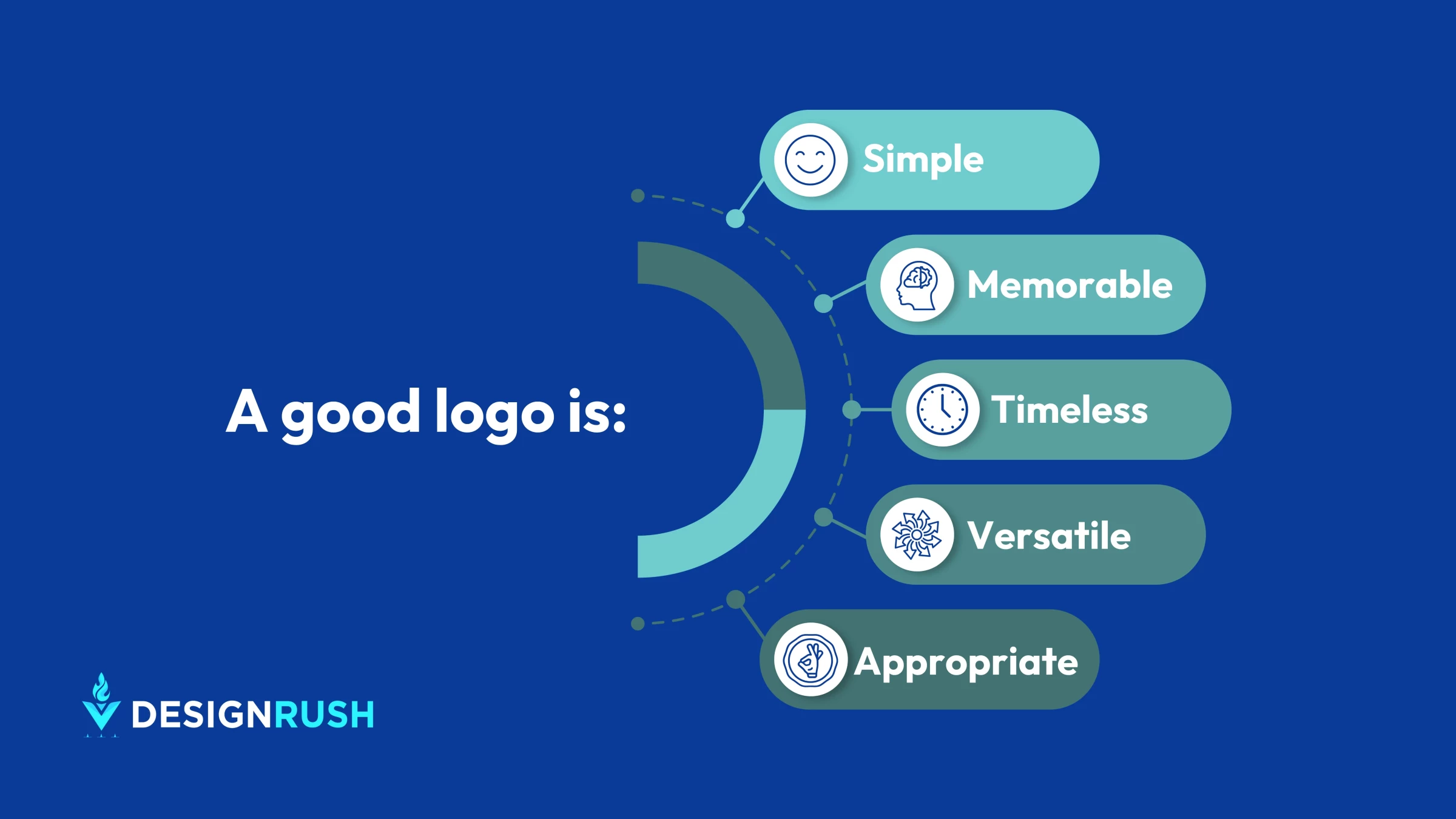
This highlights the power of visual identity — an unattractive or outdated logo can create doubt about professionalism and quality, deterring potential customers before they even engage. To ensure your logo strengthens your brand rather than weakens it, focus on design principles that prioritize clarity, memorability, and alignment with your brand’s values.
Key Considerations for Making an Appealing Logo
Here are the key factors to consider when designing a logo that stands out.
- Invest in professional design: Allocate resources to develop a logo that accurately represents your brand's values and appeals to your target audience.
- Keep it simple: A clean, uncluttered design makes a logo more versatile and easier to recognize.
- Choose timeless over trendy: Opt for a design that will stay relevant rather than relying on fleeting design fads.
- Use strategic colors: Colors evoke emotions and should align with the brand’s personality and target audience.
- Ensure readability: If your logo includes text, use a clear, legible font that works across all sizes and formats.
- Make it scalable: A strong logo should look great whether it’s on a business card or a billboard.
- Test different versions: Create variations (full, icon-only, monochrome) to ensure adaptability across different platforms.
9. 23% of the Top 100 Brands in the World Use Blue in Their Logo

Blue is the color of trust, reliability, and professionalism, which is why it’s no surprise that 23% of the top 100 brands in the world use blue in their logo.
This color is associated with calmness, security, and authority, making it an ideal choice for companies looking to foster a sense of dependability and create strong, lasting connections with their customers. Whether used in finance, technology, or healthcare, blue helps convey competence and stability, which is why so many leading brands rely on it to communicate their core values.
By thoughtfully integrating blue into your branding strategy, you can leverage its positive associations to enhance consumer trust and establish a credible market presence.
How To Leverage the Power of Blue in Your Logo
Here’s how to strategically leverage blue in your logo for maximum impact.
- Understand the psychological impact: Blue evokes feelings of trust, calm, and professionalism, which can positively influence customer perceptions.
- Choose the right shade: Different shades of blue convey different meanings: lighter blues suggest tranquility, while darker blues represent authority and expertise.
- Complement with secondary colors: Use accent colors like white, gray, or green to add contrast and balance, without taking away from the primary blue.
- Consistency is key: Make sure the chosen shade of blue is used consistently across all branding materials for uniformity.
- Test for versatility: Ensure your blue logo works well on a variety of backgrounds and is still visible in both digital and print formats.
- Pair with a strong message: Pair your blue logo with clear, value-driven messaging that aligns with the sense of trust and reliability you’re aiming to project.
- Evaluate your competition: Consider how your blue logo compares to others in your industry, ensuring yours stands out while maintaining the trusted tone associated with the color.
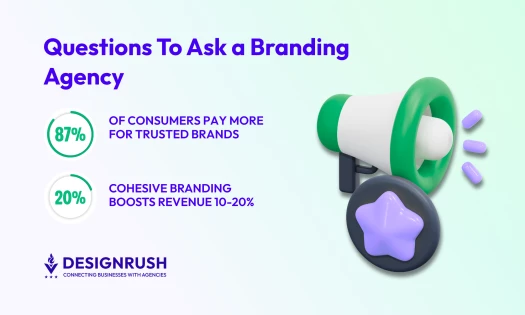
10. 90% of Consumers Are Willing To Pay More for Brands They Trust
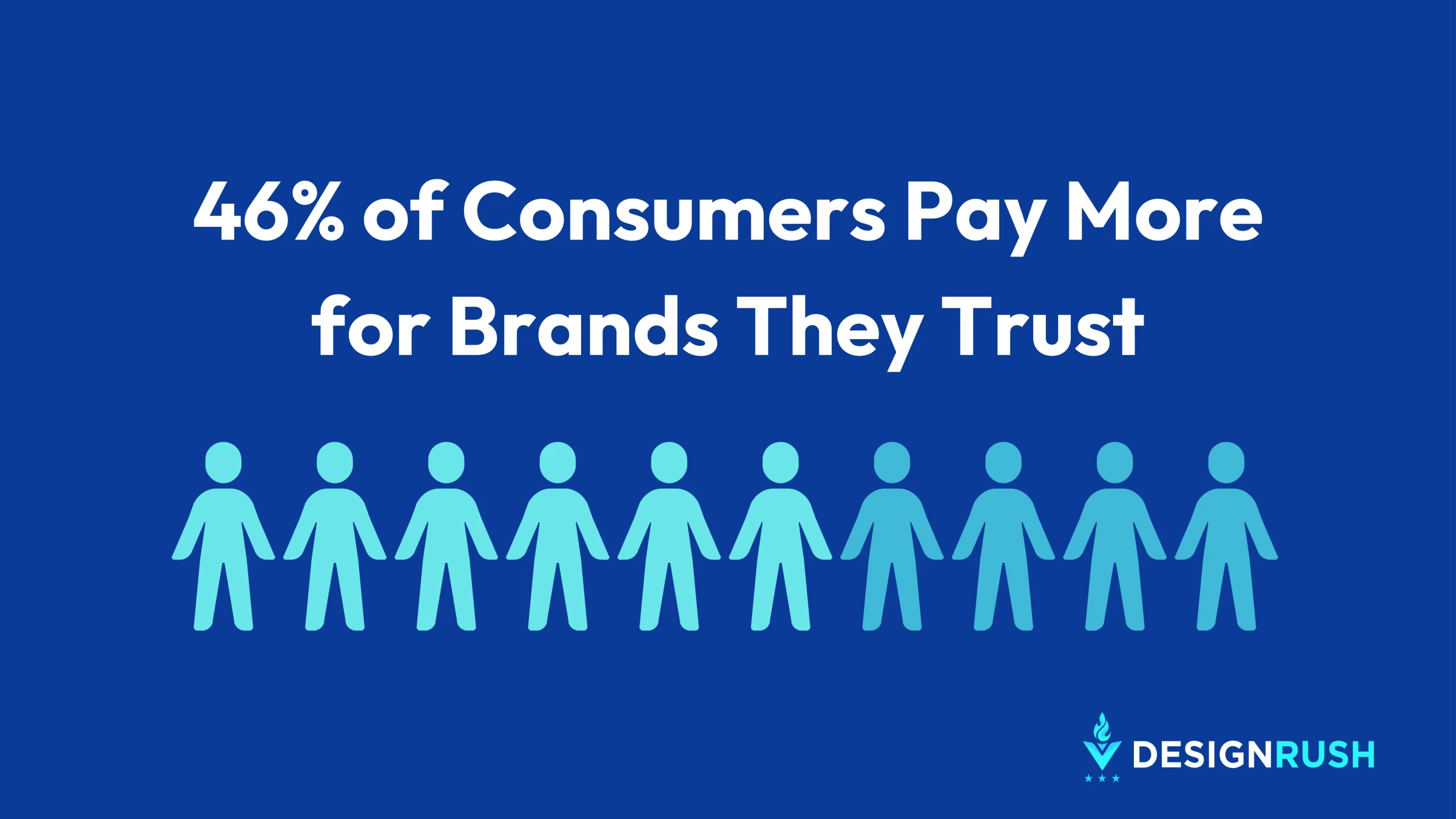
Trust is a game-changer in consumer behavior. Almost 90% of consumers are willing to pay more for brands they trust, highlighting the profound impact that brand credibility can have on purchasing decisions.
Consumers are increasingly looking for brands that are transparent, reliable, and consistent in delivering on promises. When customers trust a brand, they are more likely to become repeat buyers and advocates, even if it means paying a premium. For businesses, fostering trust is not just about great products—it’s about creating an overall positive experience that resonates with consumers.
How To Build Trust
Trust is the foundation of any successful business relationship, and earning it requires consistency, transparency, and genuine care for your customers. Here’s how to build and maintain trust effectively.
- Prioritize transparency: Be honest about your products, pricing, and business practices. Clear communication builds trust.
- Provide excellent customer service: Ensure responsive, helpful support to build positive relationships and demonstrate that customers' concerns matter.
- Deliver on promises: Consistently meet or exceed expectations, whether in product quality, delivery times, or customer service.
- Leverage customer reviews and testimonials: Showcase real, positive feedback to provide social proof and build credibility.
- Offer guarantees: Provide warranties, money-back guarantees, or satisfaction promises to reduce perceived risk.
- Build a strong brand presence: Keep a consistent, professional image across all touchpoints, from your website to your marketing materials.
- Engage in ethical practices: Show commitment to sustainability, inclusivity, or other values that resonate with your target audience.
Branding Statistics — Final Thoughts
Branding is the foundation of consumer trust, recognition, and long-term business success. The data is clear: companies that invest in strong, consistent branding see higher revenue, stronger customer loyalty, and increased market influence.
In a world where consumers are bombarded with choices, your brand must stand out visually, emotionally, and strategically. Enlist the help of a top branding agency today to develop a cohesive identity that resonates with your audience and drives lasting success.
Businesses that prioritize branding don’t just compete — they lead. Whether through logo design, social media presence, or brand consistency, investing in branding today is the smartest move for long-term growth.

Our team ranks agencies worldwide to help you find a qualified branding partner. Visit our Agency Directory for the Top Branding Agencies, as well as:
- Top Brand Strategy Agencies
- Top Brand Positioning Firms
- Top B2B Branding Agencies
- Top Corporate Branding Agencies
- Top Branding Agencies In Houston
And don’t miss our Awards section, where we showcase the top agencies recognized for exceptional creativity and impact.
Branding Statistics FAQs
1. What are the four levels of branding?
The four levels of branding define how businesses position themselves:
Brand recognition builds awareness through logos and messaging. Brand preference develops when customers choose your brand over competitors. Brand loyalty forms when customers repeatedly engage with your brand. Brand advocacy occurs when loyal customers promote your brand organically. Each level strengthens market position and customer relationships.
2. What are the five C's of branding?
The five C’s of branding are clarity (clear mission and values), consistency (uniform messaging and visuals), credibility (trust through transparency and quality), connection (emotional engagement with consumers), and commitment (staying true to the brand’s vision). Mastering these ensures long-term success.
Mastering these elements ensures long-term brand success and customer loyalty.
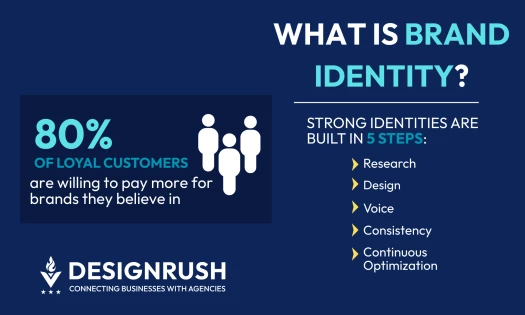
3. What are the five pillars of brand identity?
Brand identity is built on purpose (core mission), positioning (market differentiation), personality (brand traits and tone), perception (customer experience), and promotion (marketing strategies). A strong identity ensures consistency, trust, and lasting impact.
A strong brand identity ensures consistency, trust, and long-term market impact.

-preview-webp.webp)