.-details-webp.webp)

If you want to drive traffic, capture leads, and grow revenue, pay-per-click (PPC) advertising is one of the most effective tools for businesses in 2026. With businesses earning an average of $2 for every $1 spent on PPC, it’s clear PPC can deliver impressive ROI.
Two major players dominate the PPC landscape: Google Ads vs. Bing Ads. While Google Ads takes center stage with its massive reach and advanced tools, Bing Ads offers a budget-friendly alternative for targeting niche and professional audiences. Choosing the right platform — and understanding their differences — can make or break your campaign success.
Bing Ads vs. Google Ads: How Are They Different?
Bing Ads and Google Ads both offer powerful advertising solutions, but their unique characteristics cater to different marketing goals. Let’s explore how they differ in strengths and limitations.
Google Ads
Google Ads leads the PPC space, holding over 90% of the global search market share. Its unparalleled reach makes it ideal for businesses seeking to connect with vast audiences.
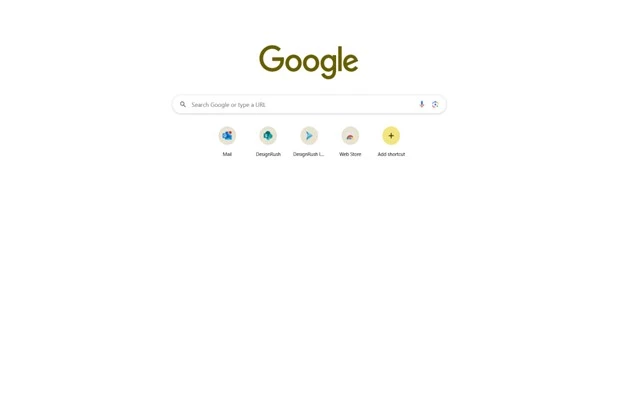
Source: Google
Strengths
- Google Ads integrates Search and Display Network, targeting users actively searching for solutions or passively browsing the web.
- Sophisticated targeting: Robust options like demographic, geographic, and device targeting ensure campaigns reach specific audiences.
- Diverse format: YouTube video ads add a visual dimension to campaigns, boosting brand visibility and engagement.
Limitations
- High competition and cost: Google’s cost-per-click (CPC) is generally higher due to fierce competition, especially in crowded industries. While businesses gain access to a massive audience, they pay a premium for that visibility, which can increase overall advertising costs.
Best for:
- Retail & eCommerce: Ideal for businesses seeking maximum exposure in consumer-driven industries.
- Global reach: Best for campaigns that target large, diverse audiences quickly and effectively.
- Dynamic campaigns: Perfect for brands leveraging video ads on YouTube for engagement.
Bing Ads
Although smaller in market share, Bing Ads still reaches over 700 million unique monthly searchers across Bing, Yahoo, and AOL. Its tailored approach makes it a valuable platform for specific types of targeting and niche campaigns.
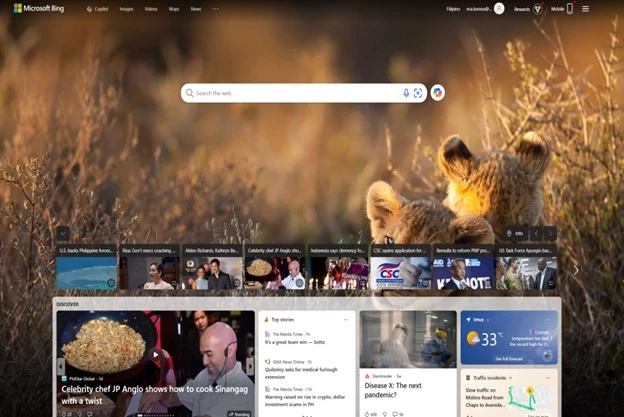
Source: Bing
Strengths
- Budget-friendly: With an average CPC of about $1.54, Bing Ads is a cost-effective option for smaller businesses or campaigns with tighter budgets.
- Precision tools: Features like LinkedIn Profile Targeting allow marketers to refine campaigns by job function, company, and industry.
- Niche audiences: Brian Ericson, Founder of Milwaukee Web Design, highlights Bing’s LinkedIn integration as a powerful tool for reaching older, more affluent demographics. This is ideal for businesses targeting high-income professionals.
Limitations
- Smaller Reach: Limited global market share — around 3% — may restrict impressions compared to Google Ads, though less competition often means better cost efficiency.
Best for:
- Niche marketing: Exceptional for B2B campaigns and industries targeting professional audiences.
- Budget-friendly campaigns: Best for advertisers who want to maximize ROI with lower competition.
- Localized focus: Effective for businesses prioritizing regional or demographic-specific campaigns.

Bing Ads vs. Google Ads: Quick Comparison Guide
Now that we’ve covered the key differences, let’s break them down to help you decide which platform aligns with your goals.
| Aspect | Bing Ads | Google Ads |
| Reach | 700M+ unique monthly users across Bing, Yahoo, AOL | 90% global search market share |
| Audience Demographics | Older, more affluent, B2B-focused | Broad, diverse income levels |
| Cost | Lower CPC, cost-effective for smaller budgets | Higher CPC, competitive market |
| Unique Features | LinkedIn Profile Targeting | YouTube ads, Display Network |
| Targeting Options | Demographic, geographic, device-based, LinkedIn, in-market | Demographic, geographic, device-based, in-market |
| Limitations | Smaller reach, fewer impressions | High competition, higher costs |
When and How To Use Bing Ads and Google Ads
Combining Google Ads and Bing Ads in your strategy offers a balanced approach to maximizing reach and cost efficiency. Here’s when to leverage each:
- During high-competition periods: Use Bing Ads to maintain ROI when Google’s CPC spikes during seasonal peaks.
- For large-scale campaigns: Leverage Google’s global presence to achieve unmatched visibility and brand awareness.
- For niche targeting: Utilize Bing’s LinkedIn Profile Targeting and demographic precision for B2B or industry-specific campaigns.
Bing Ads vs. Google Ads: 3 Actionable Tips
When deciding between Google Ads vs Bing Ads, it’s crucial to tailor your strategy to your goals. If you feel your in-house team is out of their depth, the best bet would be to enlist the help of top professionals in the field.
That said, here’s how to get the most out of each platform:
1. Use Bing Ads for Precision in B2B Campaigns
With LinkedIn integration, Bing Ads offers unparalleled targeting of decision-makers and professionals.
Pro-tip: Use first-party data to build remarketing campaigns tailored to specific industries.
2. Leverage Google Ads for High-Impact Visuals
Google’s ad formats, such as Shopping Ads and Search Ads, are ideal for eCommerce and high-volume sales. Shopping Ads, for example, boasts conversion rates of up to 6.96%, making them ideal for product-focused campaigns.
Pro-tip: Pair PPC campaigns with SEO efforts to lower customer acquisition costs over time.
3. Test and Refine Targeting on Both Platforms
A/B testing can help identify high-performing audience segments across platforms.
Pro-tip: On Google Ads, test in-market audiences. On Bing Ads, experiment with device-based targeting to optimize ROI.
Google Ads vs. Bing Ads: Which Should You Use?
Choosing between Bing Ads and Google Ads depends on your marketing goals and target audience. Here’s a quick guide to support your decision-making process:
| Scenario | Recommended Platform |
| Broad Global Campaigns | Google Ads |
| B2B or Niche Campaigns | Bing Ads |
| Cost-Conscious Strategy | Bing Ads |
| High-Competition Seasons | Mix of Google Ads and Bing Ads |
| eCommerce Focus | Google Ads |
Bing Ads and Google Ads each offer unique opportunities for businesses. Google dominates with its reach and versatility, while Bing shines in affordability and precision targeting. A hybrid approach that leverages both platforms can help you achieve maximum ROI and sustained growth in 2026 and beyond.
 Our team ranks agencies worldwide to help you find a qualified partner. Visit our Agency Directory for the top Bing PPC companies, as well as:
- Top PPC Agencies
- Top Small Business PPC Agencies
- Top B2B PPC Agencies
- Top White Label PPC Agencies
- Top Bing PPC Companies in Dallas
Our design experts also recognize the most innovative design projects across the globe. Visit our Awards section for the best & latest in eCommerce website designs.
Bing Ads vs. Google Ads FAQs
1. Is Bing better than Google Ads?
Both have unique strengths. Bing excels in cost efficiency and niche targeting, while Google offers massive reach and advanced tools.
2. Is Bing worth advertising on?
Yes! Bing is particularly effective for targeting professional, affluent, or B2B audiences.
3. How much do Bing Ads cost vs Google Ads?
Google Ads typically has a CPC of around $4.66, while Bing Ads tends to have a lower average CPC of about $1.54.
4. Can I manage campaigns on both platforms myself?
While possible, managing both platforms effectively requires expertise. Working with PPC specialists ensures optimized performance and ROI.