
Businesses that are pulling ahead treat backlinks as reputation assets, not just ranking signals. Enter digital PR: a growth engine built on creative media outreach, content storytelling, and data-driven credibility.
Digital PR Link Building: Key Points
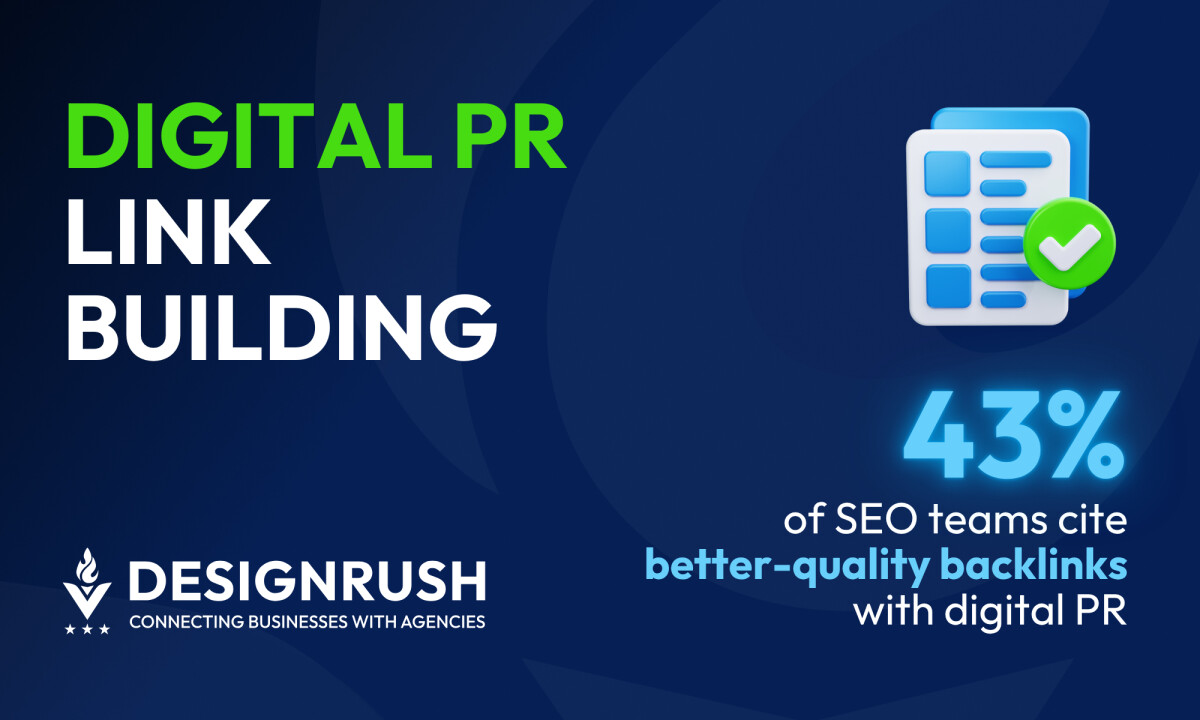
- 43% of SEO teams cite better-quality backlinks with digital PR than traditional methods, making it a competitive differentiator for visibility, trust, and long-term domain authority.
- Strategic, news-driven PR pitches often earn 40 to 60 quality backlinks per quarter, outperforming generic outreach
- 95% of digital PR professionals use data-driven content to give journalists the unique angles they actively seek.
Digital PR vs. Traditional Link Building: Why Authority Wins in 2025
In Google’s modern E-E-A-T (Experience, Expertise, Authority, Trust) paradigm, authority signals carry as much weight for SEO success as technical optimizations.
Building your brand’s reputation through credible third-party mentions and links can significantly boost perceived trust and expertise, and this is where digital PR comes in, earning backlinks by securing editorial coverage on trusted outlets.
Digital PR delivers faster brand lift, scalable demand generation, and visibility that actually converts. It prioritizes quality over quantity, focusing on links earned via genuine editorial merit.
Here’s how they compare:
| Strategy | Cost Efficiency | Longevity of Impact | Brand Impact | Risk Profile |
| Traditional Link Building | Low cost but high churn, as links get ignored or removed | Short-term: Links often get devalued | Minimal: Limited brand exposure | High: Tactics can be seen as manipulative |
| Digital PR | Medium: Content & outreach | Long-term: Editorial links endure | High: Real media coverage builds reputation | Low: Earned organically, within guidelines |
How Leading Brands Are Using Digital PR
Adoption of digital PR as a core growth lever is accelerating. A recent SEMrush study found that 67% of SEO and content teams now incorporate digital PR in their strategies, with 43% reporting higher-quality backlinks from PR than traditional outreach.
Industries seeing the highest returns include fintech, SaaS, and eCommerce, where credibility and visibility directly impact conversion rates. On average, top-performing PR campaigns earn 40 to 60 high-authority links per quarter.
CMOs using digital PR report stronger content amplification, elevated executive presence, and greater resilience to SEO algorithm changes.
Case Study: How Digital PR Delivered Brand Lift and Surging Signups for a Fintech Betting Brand
Here's an excellent digital PR example that led to more authority, qualified traffic, and rapid customer growth.
Bets for Traders, a fixed-odds financial betting platform, partnered with a digital PR team to elevate brand visibility and drive new customer acquisition in a highly competitive market.
With goals to establish authority, educate the public, and generate account signups, the strategy focused on securing consistent, high-impact coverage across financial and gaming media.
Over five months, the campaign delivered more than 320 media placements, reaching an audience of 125+ million, including features in The Times, CNBC, Forbes, and The Guardian.
National press exposure led to a 22% lift in brand recognition, measurable spikes in web traffic, and a surge in player registrations. The campaign’s momentum ultimately supported the founders’ successful exit via acquisition by a FTSE250 company.
“Thanks to their proactive and well-timed media strategy, we’ve built real credibility in our industry and with future clients.” – Managing Director, BetsForTraders.com
Editorial Backlink Tactics That Work in 2025
Earning links today requires editorial empathy and data savvy. The bar is higher, and you must offer journalists something genuinely interesting or useful.
Effective digital PR for link building in 2025 include:
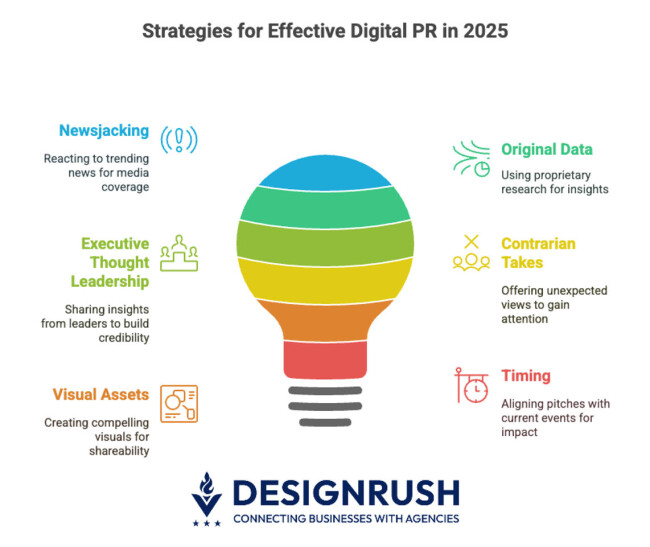
- Newsjacking drives instant relevance: React fast to trending news with expert commentary to earn real-time media coverage. A same-day pitch tied to a breaking story can outperform weeks of generic outreach.
- Original data earns authority links: 95% of digital PR pros say they leverage data-backed content in campaigns. Use proprietary research or surveys to generate insights journalists crave.
- Executive thought leadership builds credibility: Share bold, quotable insights from your C-suite to increase media placements. Position your leaders as go-to experts for commentary on industry shifts.
- Contrarian takes cut through the noise: Pitch unexpected or opposing views when everyone else is echoing the same narrative. A fresh perspective backed by data gets attention and invites coverage.
- Visual assets boost shareability: Infographics, tools, and data visualizations attract links and embeds. Editors are more likely to feature content that’s both informative and visually compelling.
- Timing beats volume every time: One well-timed pitch aligned with current events can drive more links than dozens of untargeted emails. Monitor trends and move fast to capitalize on media cycles.
Greg Galant, CEO of PR software company Muck Rack, emphasizes the importance of connecting real-world events to your business offerings:
“It's about finding the intersection between what's happening in the world and what your company is doing, crafting a compelling story from that, and then presenting it succinctly to the right journalist.”
Tools to Operationalize PR Outreach and Maximize ROI
To scale digital public relations strategies, you need a smart tech stack. Here are key tools to systematize research, outreach, and reporting:
1. BuzzSumo
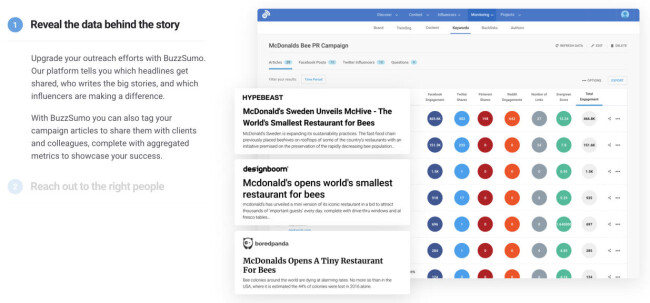
BuzzSumo can help you surface what’s resonating in real time: viral headlines, emerging topics, or journalist coverage trends. By analyzing millions of articles and social shares daily, you can craft pitches that hit the mark and create content that aligns with what the media is already responding to.
Key Features:
- Trend discovery across platforms and regions
- Journalist and influencer database by topic
- Headline performance and social engagement tracking
- Competitor content benchmarking
- Alerts for brand or keyword mentions
Plans start at $199/month.
2. Muck Rack
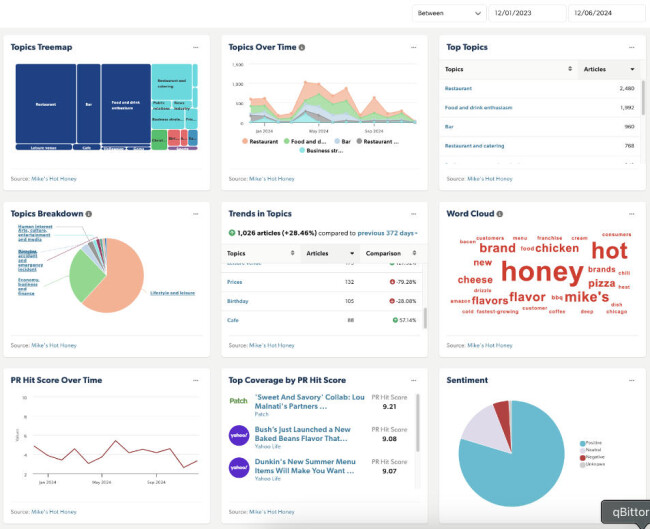
Muck Rack is a CRM built specifically for PR professionals. It gives you the power to build hyper-targeted media lists, monitor journalist activity in real time, and manage pitch outreach from a centralized dashboard. With its search and tracking tools, you can boost placement rates and journalist relationships.
Key Features:
- Dynamic media lists filtered by beat or location
- Real-time journalist activity monitoring
- Integrated CRM for pitch history and engagement
- Reporting on open rates, placements, and coverage
- Collaboration tools for multi-client or multi-team setups
Pricing details available by request.
3. Respona

Combining the automation of a sales platform with the nuance of a PR tool, Respona enables you to send tailored pitches to hundreds of journalists while tracking engagement. Its SEO integration makes it especially valuable for link-building campaigns, aligning PR with search strategy.
Key Features:
- AI-assisted prospecting for journalists and blogs
- Smart email sequence automation
- SEO integration for domain rating and relevance
- Custom pitch templates with personalization tokens
- Engagement tracking and reply monitoring
Plans start at $198/month.
Budgeting for Digital PR Success
For mid-market brands, allocating 15% to 30% of the SEO or content marketing budget toward digital PR is common, while enterprise-level campaigns can range from $10K to $50K/month, depending on the scope and media targets.
Typical resource allocation includes content creation (original research, articles), outreach (media list building, pitching), and analytics.
Agencies report that PR retainers with measurable deliverables — such as media placements or backlink volume — tend to deliver 2 to 5x ROI when PR is tied to SEO and lead generation outcomes.
Pro Tip: Start with a quarterly campaign pilot to prove traction, then scale up based on link quality and lead impact.
Measuring What Matters: PR That Ties to Pipeline
To prove your strategies’ business impact, track these PR metrics that connect to those goals:
| PR Metric | What It Tells You | Tools for Measurement |
| Referring domains | How many unique sites have linked to you | Ahrefs, SEMrush (Backlink analytics) |
| Domain authority | Overall authority score of your site | Moz DA tool, Ahrefs |
| Branded search volume | Are more people searching your brand? | Google Search Console, Google Trends |
| Referral traffic | Direct visitors from PR coverage | Google Analytics 4, Adobe Analytics |
| Leads from PR | Contacts or deals that originated from PR referrals or influenced by PR content | CRM with proper source tracking |
| Share of voice | Percentage of media mentions in your industry | PR monitoring tools (Meltwater, Cision) |
Pro Tip: Not every PR win is about an immediate SEO bump. A single Bloomberg mention might not move your rank overnight, but it could land you on a prospect’s radar and lead to a million-dollar deal down the line.
By measuring both the SEO indicators and the business outcomes, you capture the full spectrum of PR’s value.
Pitfalls to Avoid in Digital PR Campaigns
While digital PR is powerful, poor execution can backfire or waste your budget. Steer clear of these common mistakes:
- Avoid generic press releases: Mass-blasted press releases rarely get coverage. Customize your pitch for each outlet and reserve wire distribution for regulatory or major news, always paired with personal outreach to key journalists.
- Stop “spray and pray” pitching: 73% of journalists dismiss PR pitches that don’t align with their beat or coverage focus. Focus on beat and past coverage to increase placement rates and build long-term credibility.
- Don’t buy links disguised as PR: Paying for features or backlinks violates Google’s guidelines. Prioritize earned media and ensure any sponsored content is properly tagged to avoid penalties and protect your brand.
- Tie PR to business outcomes: Vanity metrics don’t justify budget. Always link campaigns to measurable goals like traffic, lead generation, or sentiment shifts to prove ROI and secure long-term buy-in.
By avoiding these pitfalls, you protect both your agency’s reputation and your client’s. Remember, digital PR done poorly can damage credibility (think: sending a tech reporter an off-topic lifestyle pitch — they won’t forget). But done well, it can be a game-changer.
Instead, follow these best practices:
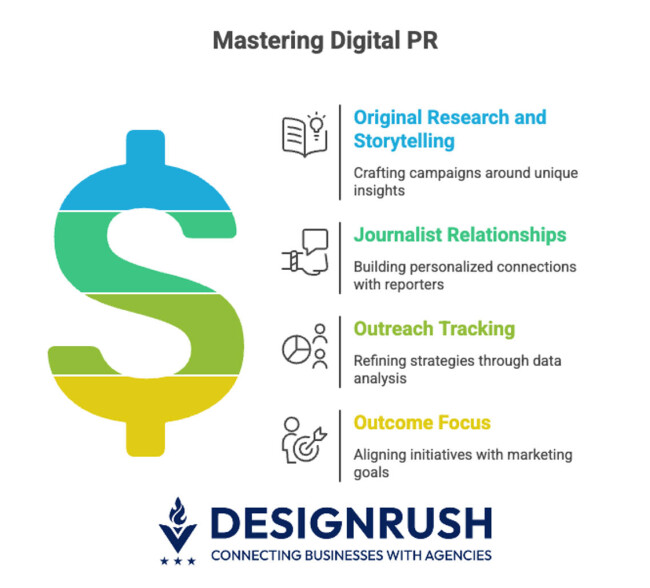
- Invest time in original research and storytelling. A campaign built around a unique insight or piece of data will go further than ten fluffy press releases.
- Nurture relationships with beat-specific journalists. Personalization wins. If you become a reliable source for reporters, they’ll start coming to you.
- Use a CRM or spreadsheet to track outreach and learn from it. Treat it like A/B testing and refine subject lines, angles, send times based on what yields responses.
- Keep a razor focus on outcomes. Always ask, “How will this initiative support my broader marketing and revenue goals?” If the connection is tenuous, rethink the tactic.
Looking Ahead: The Future of Digital PR
Digital PR is a dynamic field, and the next few years promise even more evolution. Here are a few trends on the horizon:
- Human stories cut through AI noise: As AI content floods search, originality wins. Use proprietary data and expert insight to craft PR narratives only your brand can tell.
- Legacy newswires lose ground: Shift budget from mass distribution to tailored pitching that resonates with editors and drives higher-impact media placements.
- Zero-click search demands brand presence: Nearly 60% of Google searches end without a click, which means brand mentions on authoritative third-party sites and SERPs matter more than traffic.
- Predictive PR drives proactive wins: Use audience intelligence and trend data to anticipate what journalists will cover next. Strategic foresight beats reactive PR every time.
- Smart tech boosts but doesn’t replace PR: AI tools can enhance media targeting, pitch testing, and research, but relationship-building still drives results. Blend automation with human creativity to scale outreach without sacrificing authenticity.
Digital PR Link Building: Final Thoughts
For agencies serious about long-term client growth, digital PR is essential. It drives rankings, reputation, and revenue in ways traditional link building never could. Whether you’re adding PR to your SEO stack or scaling it into a revenue-driving machine, the time to move is now.

Our experts assess agencies across the globe to ensure you find the right fit. Check out the Agency Directory for top PR firms and additional services like:
Digital PR Link Building FAQs
1. Is digital PR viable for small agencies?
Absolutely. With smart targeting, niche expertise, and an effective tech stack, small agencies can earn high-authority links and media coverage, often outperforming larger firms in agility, relevance, and pitch personalization.
2. Are editorial links safe from Google penalties?
Yes, editorial links earned organically through genuine media coverage are exactly what Google rewards. As long as links aren’t paid or manipulative, they boost both rankings and credibility without risking penalties.
3. How long does it take to see SEO results from digital PR?
Most campaigns start delivering SEO benefits within 60 to 90 days, as earned links are indexed and influence rankings. However, referral traffic and brand visibility often spike within days of a major media placement.