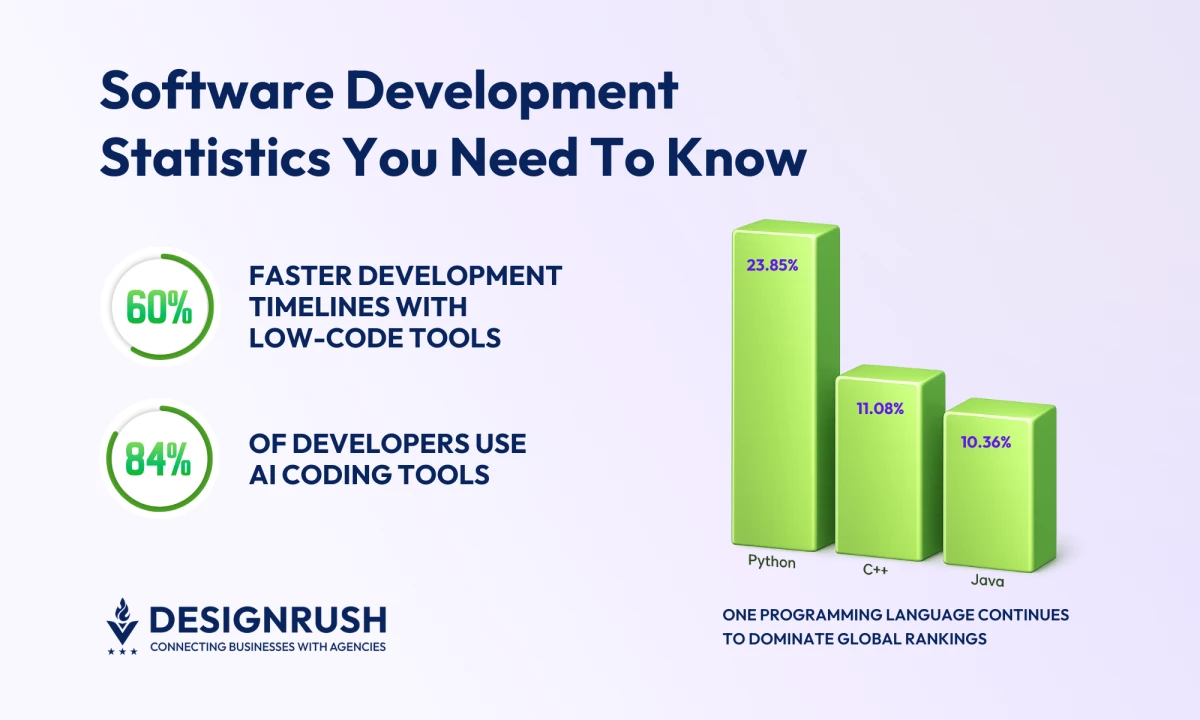

Explore the most current software development statistics and what they reveal about talent, tech investment, product velocity, and business agility in 2026.
Software Development Statistics: Key Findings
- Enterprise software spending is set to hit $1.25 trillion in 2025, as companies invest more in tools that drive integration, agility, and long-term value.
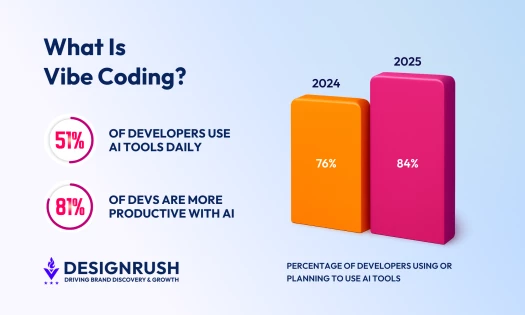
- AI is changing how code gets written. 84% of developers use or plan to use AI tools in their development workflow.
- Low-code adoption is mainstream, with 88% of businesses running at least one low-code project.


What the Data Tells Us About Developer Tools and Skills
Python Tops Popularity Rankings While JavaScript Remains Widely Used
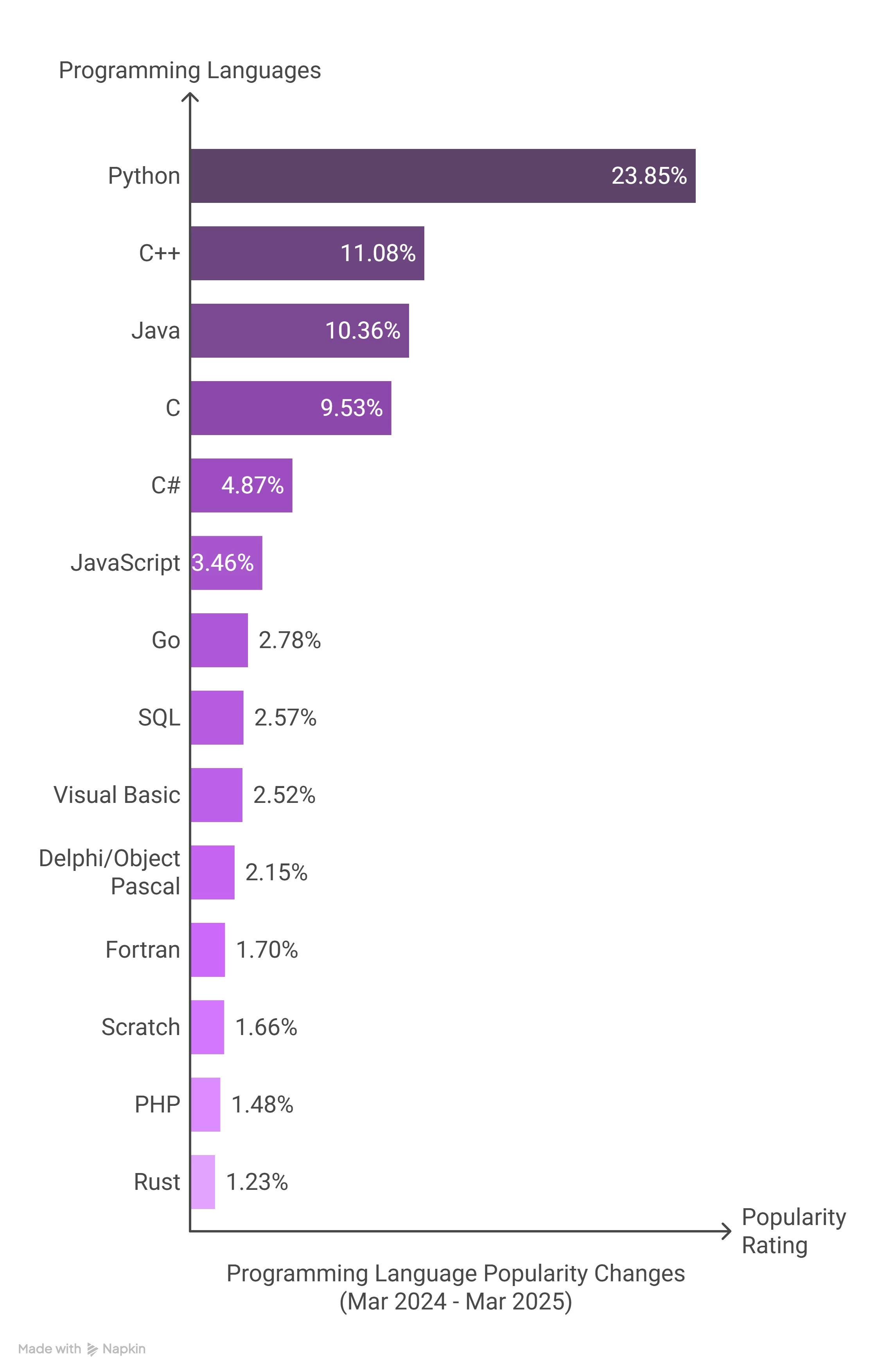 As of March 2025, Python has solidified its position as the most popular programming language according to JoinGenius, capturing 23.85% of the ratings. This marks a significant lead over C++, which holds the second spot with 11.08%. Java follows closely in third place with 10.36%, while C and C# occupy the fourth and fifth positions, respectively.
Despite these rankings, JavaScript maintains a strong presence in the development community. Surveys report that 62.3% of professional developers have used JavaScript in the past year, underscoring its continued relevance, particularly in web development.
What does this mean for businesses and agencies?
- JavaScript’s dominance reinforces the need for front-end fluency and full-stack flexibility.
- Prioritize JavaScript when recruiting, training, or choosing frameworks — it ensures wider ecosystem compatibility and easier integration with modern tools.
- Build or contract for Python capabilities if your roadmap includes AI/ML, automation, or data-heavy platforms.
- Avoid tech stack bias — language popularity often reflects developer availability and community support. These are critical factors when hiring, budgeting, or choosing vendors.
- Hire developers who can bridge both — full-stack engineers skilled in JavaScript and Python are among the most in-demand in 2025.
The rising demand for Python and JavaScript talent reflects broader growth in the global developer workforce, and knowing where that growth is happening can inform smarter hiring and outsourcing strategies.
JoinGenus gives us these stats as well:
- There are 28.7 million software developers worldwide today, projected to grow to 45 million by 2030.
- Asia leads in total developers with over 6.5 million, followed closely by Europe with 6.1 million.
- JavaScript is the most widely used programming language globally, with 16.5 million developers using it in 2024.
Where Software Budgets Are Going In 2026
Global Spending on Enterprise Software Hit $1 Trillion
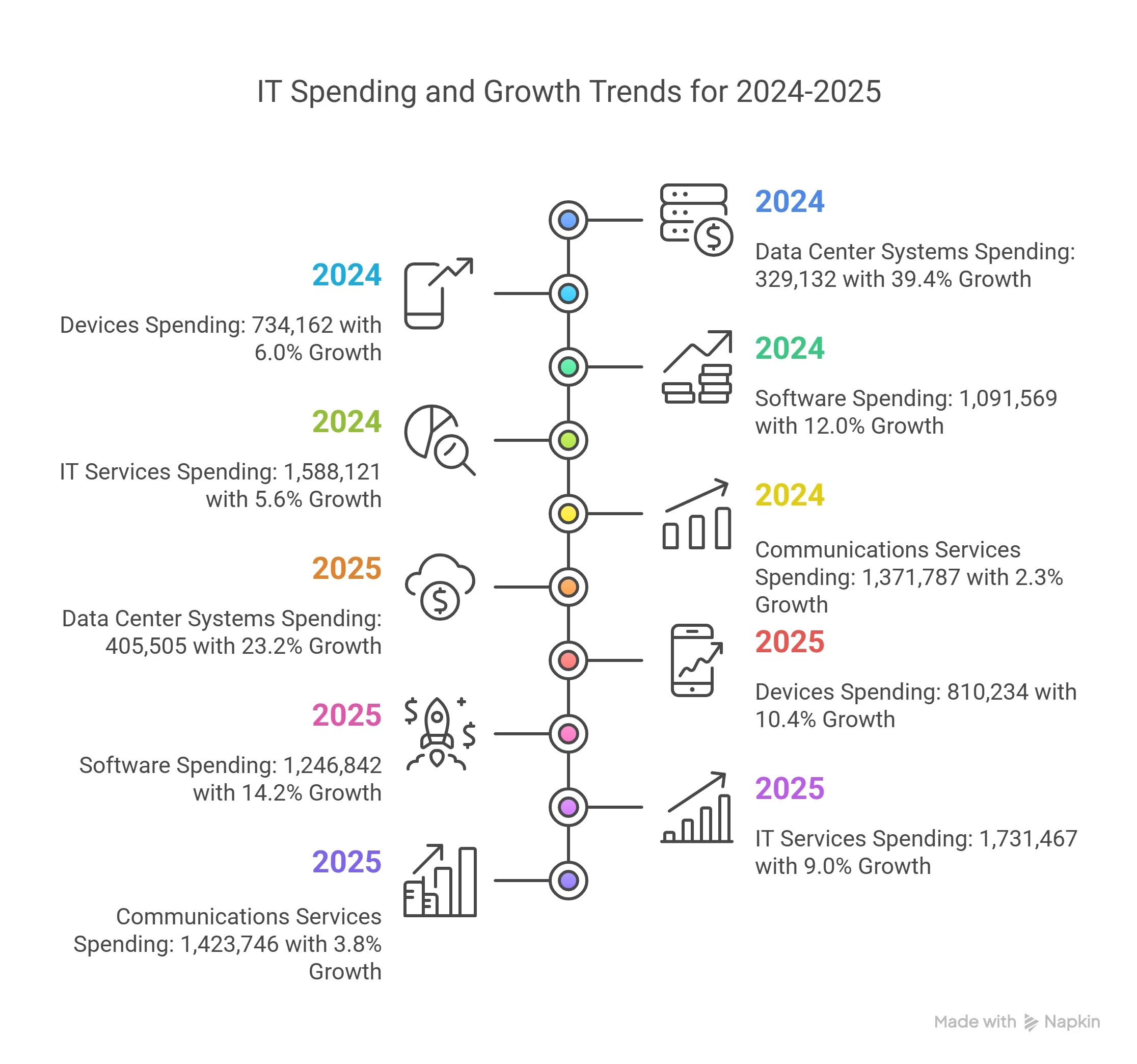
Enterprise software is the fastest-growing segment of the global IT industry — and the momentum is still building. According to market data spanning from 2009 to 2025, enterprise software spending has more than doubled over the past decade, surpassing $1 trillion in global investment.
That growth is being driven not only by digital transformation initiatives, but also by rising platform costs. In fact, enterprise software spending is projected to reach $1.25 trillion in 2025, up 14.2% from the previous year — making it one of the only IT categories experiencing double-digit growth, according to Gartner.
Sub-segments like CRM software and Enterprise Resource Planning software alone are expected to generate nearly $155 billion in combined annual revenue as companies prioritize tools that can unify data and customer operations. But it’s not just new tools driving this market — much of the budget increase is covering higher prices on existing software, not net-new capabilities.
This context matters. Real IT spending is being squeezed by inflation, with many CIOs simply trying to maintain system performance and licensing access under rising costs. That makes software strategy, vendor choice, and platform agility more important than ever.
Software development is now a trillion-dollar market, and the cost of poor decisions — wrong platforms, rigid architectures, misaligned partners — is higher than ever. Businesses need to align spending with long-term ROI.
For companies building, buying, or implementing enterprise solutions, this shift raises the stakes:
- Software is not just a back-office infrastructure but a growth lever: Treat enterprise platforms as strategic investments. Prioritize tools that drive speed, visibility, and smarter decisions — not just operational support.
- Budgets are shifting toward integration-ready, cloud-first systems: Legacy systems create bottlenecks. Adopt solutions that align with agile delivery and remote collaboration.
- Vendors are being evaluated on adaptability as much as features: Agencies and providers must demonstrate real business value, not just technical specs.
The growth in enterprise software mirrors broader software and IT spending trends across global markets:
- Tech spending in five major Southeast Asian economies — Indonesia, Thailand, Vietnam, the Philippines, and Malaysia — is forecasted to rise by 7% in 2025, approaching $47 billion.
- Europe's IT spending is expected to hit $1.28 trillion in 2025, an 8.7% increase — the highest single-year growth rate since the post-pandemic surge in 2021.
How Teams Are Building Faster With Less Code
Low-Code/No-Code Adoption Is Accelerating
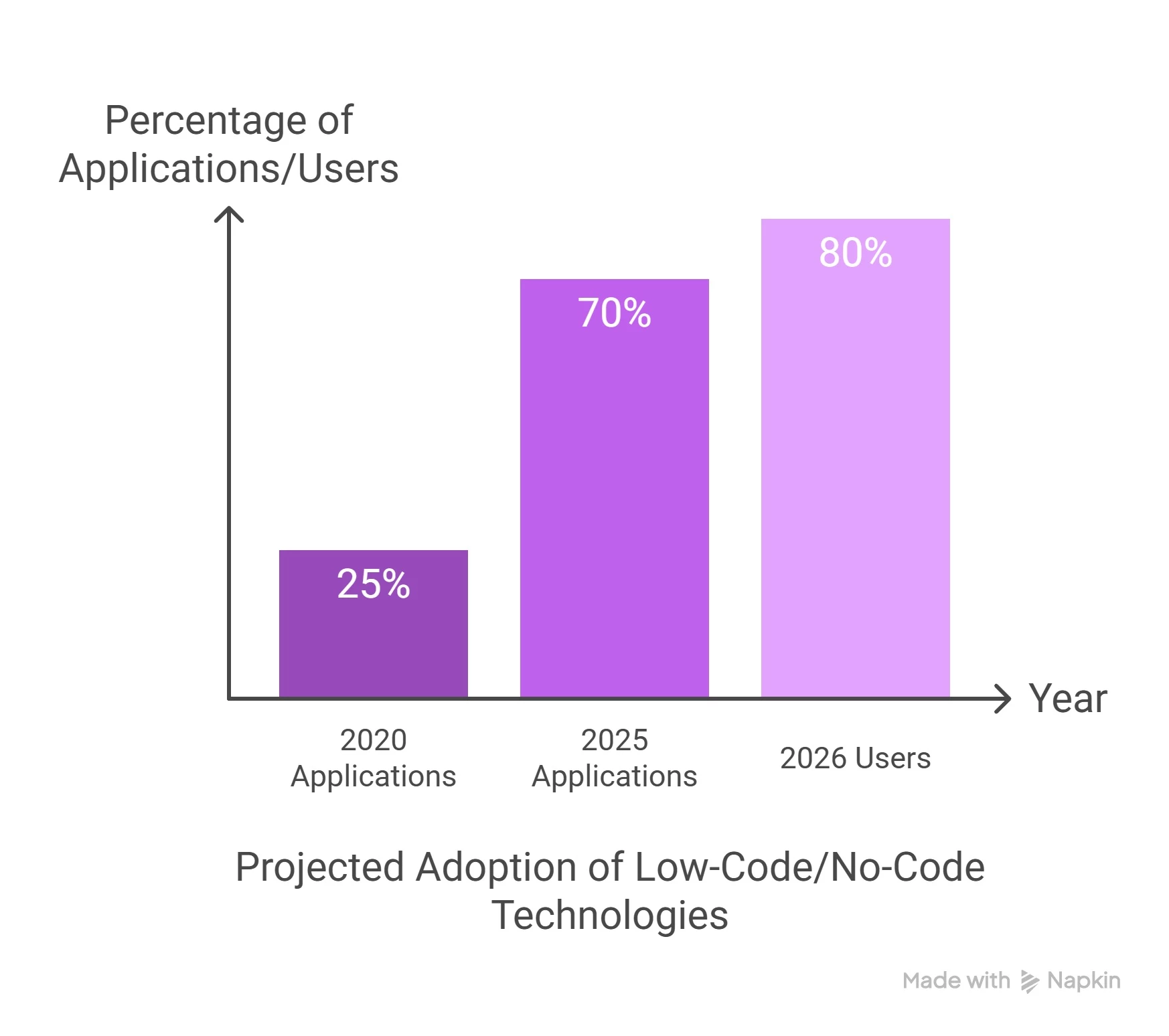 According to the The 2025 State of Application Development Report, 88% of organizations have at least some low-code projects underway, with 56% rating their low-code dev capabilities as advanced.
In 2026, 80% of users of low-code tools will be outside traditional IT departments, signaling a shift toward citizen development. Business users are now building workflows and applications themselves — often in partnership with IT — to solve day-to-day problems faster and more cost-effectively.
Thiago Maior, CEO of EZOps Cloud, points out that low-code and no-code tools are rising in response to urgent needs — faster app delivery, developer shortages, and rapid product change cycles. He notes that these platforms allow non-coders to participate in building applications, helping teams move faster while encouraging collaboration across functions.
Low-code adoption isn't just a workaround for developer shortages; it’s a shift in how organizations operationalize innovation. Business units no longer have to wait in the IT queue to roll out tools that solve real problems. With the right platform and governance in place, teams can prototype, launch, and iterate faster without compromising security or scalability.
For businesses, this means rethinking how development happens across departments:
- Empower your teams to build the tools they need and free up developers to focus on high-impact architecture.
- Evaluate low-code not as a stopgap, but as a foundational capability for faster, leaner product delivery.
- Choose platforms that support governance, integration, and long-term adaptability, especially if non-technical users are involved in development.
The business case is clear:
- Low-code tools reduce development time by up to 60%.
- Organizations using low-code for customer-facing apps see a 58% increase in revenue on average.
- 84% of businesses have adopted low-code/no-code platforms to accelerate digital transformation and ease pressure on IT teams.
How AI Is Changing the Developer Workflow
AI Pair Programming Is Speeding Up Software Delivery
AI-powered coding tools are becoming standard in modern development workflows. Roughly 84% of developers now use or plan to use AI coding tools as part of their development workflow.
The rise of “vibe coding” — a development style where engineers use AI to generate code from high-level prompts — also contributes to faster product delivery and smaller engineering teams.
Recent data indicates that 25% of startups in its 2025 cohort had codebases that were 95% AI-generated. These founders aren’t less technical; they’re choosing to delegate execution to AI while focusing on design, logic, and debugging.
AI pair programming isn’t replacing engineers. It’s reframing their role.
Maior says that AI use, security, and serverless adoption are among the defining shifts shaping software development in 2026. He urges businesses to bring AI into their development workflows “to up speed and choices,” and to explore serverless architectures to “make growth easy and cut running costs.”
Developers are now prompt engineers, reviewers, and curators of machine-written code. Debugging and architectural oversight matter more than raw syntax. Classical coding skills remain critical, especially for scaling and maintaining AI-generated products.
For businesses and agencies, this shift is already changing how teams are structured and how work gets done:
- Train teams to collaborate with AI, not compete against it: Productivity now depends on prompt clarity and code review, not just typing speed. Developers need to upskill for AI integration — not fear replacement.
- Adopt dev tools that integrate AI assistants natively: This unlocks improves delivery speed and consistency across teams.
- Retain core engineering talent who can lead, debug, and harden AI-generated code: AI may write it, but humans are still responsible for making it work.
Maior also emphasizes the need to keep pace with advancements in DevOps and cloud technologies to stay competitive in a fast-evolving software market.
AI may be leading the transformation, but it’s not the only force reshaping how developers work. Broader shifts in tooling and technology are influencing workflows across the stack. Take a look at this additional data:
- Around 40% of developers now use AI-powered tools like GitHub Copilot to accelerate coding, streamline debugging, and enhance code quality.
- Blockchain is becoming part of mainstream development workflows, with 30% of developers incorporating it — especially in finance and healthcare, where security and transparency are critical.
Why Cloud-Native Is Becoming the New Normal
Cloud-Native Adoption Reached 98% Across Organizations in 2026
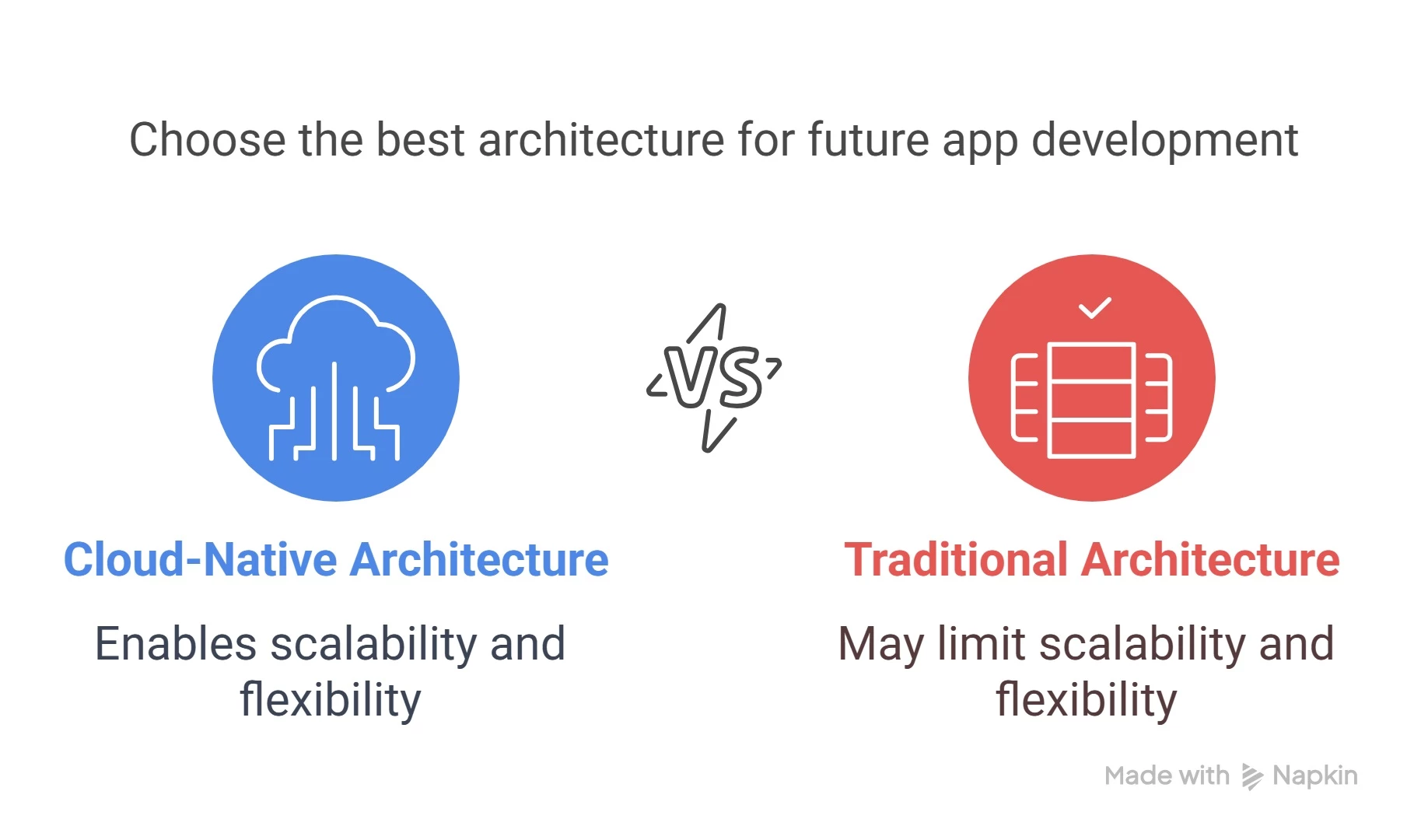 Cloud-native development is quickly becoming the default for how modern applications are built. It already reached 98% adoption across organizations, with 25% in nearly all development and deployment.
This shift marks a broader departure from legacy systems. In Asia-Pacific, more than 50% of businesses are expected to modernize at least half of their cloud architecture by 2027 to boost efficiency and support innovation.
Looking ahead, IDC projects that by 2028, over 90% of newly developed applications will be multi cloud-enabled, architected to run seamlessly across distributed platforms and tap into platform-delivered capabilities.
Serverless takes infrastructure out of the equation, letting teams move faster and focus on delivering business value instead of maintaining backend systems. These shifts require new tools and new development strategies:
- Prioritize cloud-native and serverless designs to scale faster and deploy more flexibly across environments.
- Standardize around multi load-ready platforms to future-proof against vendor lock-in and support global deployment.
- Refactor legacy systems with cloud-native principles to gain the agility required for modern product delivery.
Cloud-native is rapidly becoming standard practice across industries. This trend is reinforced by how quickly businesses are scaling their cloud-native operations across environments and workloads:
- As of 2024, 50% of global businesses are running cloud-native storage in production, with 47% using code repositories in live environments and another 26% currently piloting them.
- Industry analysts expect 95% of new digital workloads to be deployed on cloud-native platforms by the end of 2025.
Software Development Statistics: Final Thoughts
The data is clear: software development is moving faster, becoming more distributed, and demanding broader capabilities from both teams and technology. To stay competitive, you need tools and people who understand how to use them in the right context, on the right stack, with the right architecture.
That might mean expanding your team or finding the right partner to help you build better, faster. A software development agency can help you move with speed, clarity, and confidence when it matters most.
Our team ranks agencies worldwide to help you find a qualified partner. Visit our Agency Directory for the Top Software Development Companies, as well as:
- Top Software Companies In Las Vegas
- Top Enterprise Software Development Companies
- Top Mobile App Development Companies
- Top AI Development Companies
- Top Software Testing Companies
Our design experts also recognize the most innovative design projects across the globe. Visit our Awards section for the best & latest in app designs.
Software Development Statistics FAQs
1. What is the difference between cloud-native and traditional software development?
Cloud-native development involves building applications specifically for cloud environments using microservices, containers, and scalable infrastructure. Traditional development typically relies on monolithic architectures hosted on-premises or in fixed environments, which limits flexibility and scalability.
2. Why is developer velocity important for businesses?
Developer velocity refers to how quickly development teams can build and release software. High velocity improves time-to-market, supports innovation, and helps companies respond faster to customer and market needs, directly impacting competitive advantage.
3. When should a company consider outsourcing software development?
Outsourcing is a smart move when you need to scale quickly, access specialized skills, or reduce time-to-delivery without overextending internal resources. It’s especially useful for MVP builds, large migrations, or when your team is focused on core products.